Spot Plate Definition: What It Is, How It Works, and Why Every Lab Needs One

Introduction
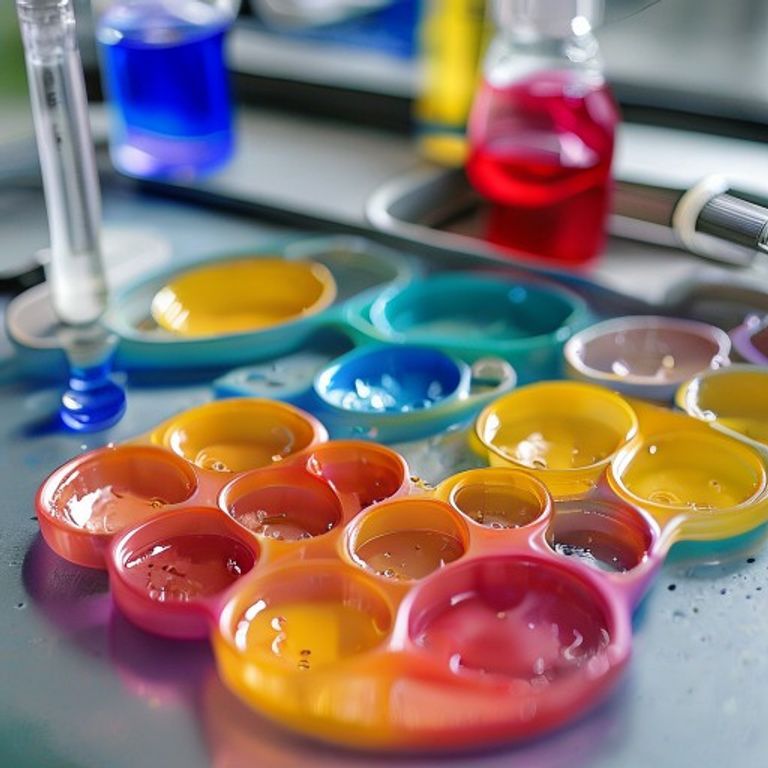
When I first stepped into a chemistry lab, the first thing that caught my eye was a small, colorful tray dotted with tiny wells. That, my friends, is a spot plate. It may look simple, but it’s a powerhouse for quick, qualitative tests. In this article we’ll break down the spot plate definition, explore its uses, and give you practical tips to get the most out of it.
What Is a Spot Plate?
A spot plate (sometimes called a reaction plate or mini‑well plate) is a shallow plastic or ceramic tray that contains a series of depressions—usually 12, 24, or 48—where you can place a few drops of liquid. The depressions are isolated from each other, preventing cross‑contamination while letting you run many reactions side by side.
Types of Spot Plates
- Plastic spot plates: Made from polypropylene or polyethylene, they’re cheap, disposable, and resistant to most acids.
- Ceramic (glass) spot plates: Reusable, heat‑resistant, and ideal for high‑temperature work or when you need a chemically inert surface.
- Silicone spot plates: Flexible, reusable, and great for visualizing color changes.
Spot Plate Meaning in Lab Experiments
In everyday lab work, a spot plate is the go‑to tool for:
- Screening pH with indicator drops.
- Testing solubility of compounds.
- Running quick qualitative analysis for metal ions.
- Setting up parallel reactions before scaling up.
Think of it as the “quick‑draw” version of a full‑scale reaction vessel—just a few drops, a few seconds, and you’ve got the answer.
Purpose of a Spot Plate in Titration
While titrations are often performed in burettes and Erlenmeyer flasks, a spot plate can be used for micro‑titrations. You place a tiny amount of analyte in a well, add the titrant dropwise, and watch the color change. This saves reagents, speeds up method development, and lets you run multiple titrations at once.
For a deeper dive into titration accessories, check out the guide on test tube stand role in the lab.
How Many Depressions Does a Spot Plate Have?
The most common configurations are:
- 12‑well (3 × 4 layout)
- 24‑well (4 × 6 layout)
- 48‑well (6 × 8 layout)
Choosing the right size depends on how many parallel tests you need and the volume you’ll be handling. If you’re only checking a few pH indicators, a 12‑well plate is enough. For larger screening projects, go for 48 wells.
Spot Plate vs. Well Plate (Microplate)
Both look similar, but they serve different purposes:
- Spot plates are shallow (usually < 2 mm deep) and designed for drops.
- Microplates (96‑well, 384‑well, etc.) are deeper, used for cell culture, ELISA, and high‑throughput screening.
If you need to measure exact volumes, a graduated cylinder measurement guide can help you calibrate the drops you add to each well.
Practical Tips for Using Spot Plates
- Label your wells: Use a permanent marker on the underside to avoid mix‑ups.
- Clean between runs: Rinse with distilled water and let dry; for ceramic plates, a quick ethanol wipe works.
- Use a pipette: A micropipette ensures you add the same volume to each well, improving reproducibility.
- Cover the plate: A simple lid or parafilm prevents evaporation during longer reactions.
Conclusion
In short, a spot plate is a compact, versatile piece of laboratory equipment that lets you run multiple small‑scale reactions side by side. Whether you’re checking pH, performing micro‑titrations, or doing a quick solubility test, the spot plate definition boils down to “a tray of tiny wells for fast, qualitative chemistry.” With the right handling and a few practical tricks, you’ll wonder how you ever lab‑worked without one.
FAQ
What is a spot plate used for in chemistry?
It’s mainly used for quick qualitative tests—pH checks, solubility screens, metal ion detection, and micro‑titrations.
Can I reuse a plastic spot plate?
Yes, if you clean it thoroughly with water and a mild detergent. However, for highly corrosive reagents, a disposable plate is safer.
How many drops can I add to each well?
Typically 1–5 µL per drop, depending on the well depth. Keep the total volume below the well’s capacity to avoid overflow.
Is a spot plate the same as a microplate?
No. Spot plates are shallow and meant for drops, while microplates are deeper and used for high‑throughput assays.
What is the difference between a ceramic spot plate and a plastic one?
Ceramic plates can withstand higher temperatures and are chemically inert, whereas plastic plates are cheaper and disposable but may react with strong solvents.