Unlocking Lab Precision: The Indispensable Volumetric Pipette Function Explained

Halo, rekan-rekan pembaca yang mungkin sedang penasaran dengan seluk-beluk dunia laboratorium! Pernahkah kita membayangkan betapa pentingnya ketelitian dalam sains? Sedikit saja perbedaan dalam pengukuran bisa mengubah seluruh hasil eksperimen, lho. Nah, di tengah beragam alat laboratorium yang ada, ada satu “pahlawan” tak terlihat yang memegang peranan krusial dalam memastikan akurasi ini: namanya volumetric pipette. Mungkin bagi sebagian kita ini terdengar asing, tapi percayalah, alat ini adalah kunci untuk banyak terobosan ilmiah.
Dalam artikel ini, kita akan menyelami lebih dalam tentang apa itu volumetric pipette, how does a volumetric pipette work, dan yang paling penting, what is the purpose of a volumetric pipette. Kita akan bahas fungsi utamanya dalam laboratorium dan bagaimana kita bisa mendapatkan pengukuran yang sangat akurat dengannya. Jadi, mari kita mulai petualangan kita memahami salah satu instrumen paling presisi di lab!
Understanding the Volumetric Pipette: A Closer Look
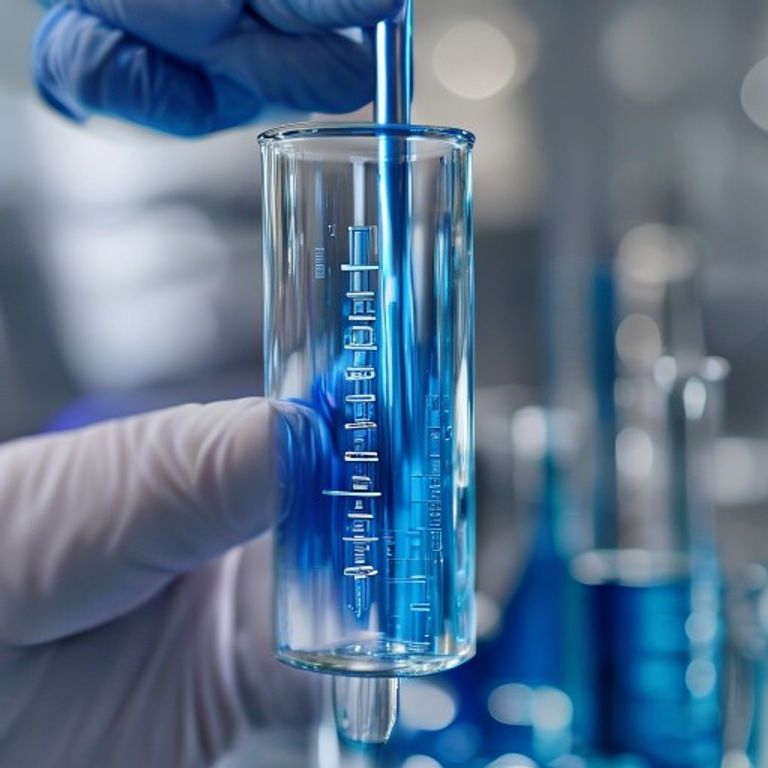
First things first, what exactly is a volumetric pipette? Imagine a slender glass tube, quite elegant in its simplicity, with a bulb in the middle and a single etched line near the top. This seemingly simple piece of laboratory glassware is engineered for one primary task: to transfer a very precise, fixed volume of liquid from one container to another. Unlike its graduated cousin, the measuring pipette, a volumetric pipette (often called a “bulb pipette” or “transfer pipette”) is designed to deliver only one specific volume – say, 10.00 mL or 25.00 mL – with incredible accuracy.
Think of it like a specialized measuring cup that only fills up to one exact mark, but does so with unparalleled precision. If you’ve ever tried to measure out an exact amount of liquid for a complex recipe, you know how tricky it can be. In the lab, “tricky” is simply not an option when the stakes are high, and that’s precisely where the volumetric pipette function shines.
The Core Function: Precision Liquid Transfer
The main purpose of a volumetric pipette boils down to one word: precision. It’s built to ensure that when we transfer a specific volume of liquid, we are as close to that target volume as scientifically possible. Why is this so crucial? In many chemical analyses, like titration, preparing standard solutions, or precise dilutions, even a tiny error in volume can lead to significant errors in the final results. This could mean inaccurate drug dosages, faulty product quality control, or incorrect scientific conclusions.
For example, if we’re trying to determine the concentration of an unknown acid by titrating it with a standard base, the accuracy of our standard solution and the volume of acid we take for analysis are paramount. The volumetric pipette ensures that our starting volume is as exact as possible, giving us a reliable foundation for our calculations. It’s truly a cornerstone for precise volume transfer in any analytical chemistry laboratory.
How Does a Volumetric Pipette Work? A Step-by-Step Guide
So, how does a volumetric pipette work in practice? The process involves a few careful steps, but once you get the hang of it, it becomes second nature. It’s all about controlling suction and understanding the properties of liquids.
- Preparation: First, ensure your pipette is clean and dry. Rinse it with a small amount of the solution you’re about to transfer to prevent dilution or contamination. This step, called “pre-rinsing,” is vital for accuracy.
- Aspiration (Drawing Liquid): Attach a pipette bulb or pump to the top of the pipette. Submerge the tip of the pipette into the liquid we want to transfer, making sure it doesn’t touch the bottom of the container. Gently apply suction to draw the liquid past the etched calibration mark.
- Adjusting the Meniscus: This is a critical step for how to achieve accurate measurements with a volumetric pipette. Remove the pipette bulb and quickly place your index finger over the top opening to stop the flow. Carefully release the pressure until the bottom of the meniscus reading (the curved surface of the liquid) aligns perfectly with the etched mark on the pipette. The pipette should be held vertically at eye level for this. Any remaining droplets on the outside of the pipette tip should be wiped away with a tissue, being careful not to touch the opening.
- Dispensing the Liquid: Transfer the pipette to the receiving vessel. Remove your finger from the top, allowing the liquid to drain by gravity. Touch the tip of the pipette against the side of the receiving vessel for a few seconds to ensure complete drainage. Remember, a small amount of liquid often remains in the tip of the volumetric pipette; this is accounted for in its calibration and should NOT be blown out.
Achieving Flawless Measurements: Tips for Accuracy
While the volumetric pipette is inherently precise, our technique plays a huge role in maximizing its accuracy. Here are some practical tips:
- Cleanliness is Key: Always use a clean pipette. Residues can affect surface tension and lead to inaccurate volumes.
- Proper Meniscus Reading: Always read the bottom of the meniscus at eye level. Avoid parallax errors!
- Temperature Control: The volume of liquids (and even glass) changes with temperature. Pipettes are calibrated at a specific temperature (usually 20°C). Try to work with solutions at or near this temperature for optimal accuracy.
- Vertical Hold: Hold the pipette vertically when adjusting the meniscus and dispensing.
- Don’t Blow Out: As mentioned, don’t blow out the last drop from a volumetric pipette. It’s designed to retain that small amount for accurate delivery.
- Regular Calibration Checks: Like any precision instrument, volumetric pipettes should be checked periodically for calibration to ensure they remain accurate over time.
Volumetric Pipette Function in Laboratory Applications
The volumetric pipette function in laboratory settings is incredibly diverse, particularly in fields requiring high analytical rigor. Here are a few common applications:
- Titration: Precisely transferring the analyte or titrant is fundamental for accurate titration results.
- Preparing Standard Solutions: When creating solutions of known, exact concentrations, a volumetric pipette is used to measure out the solvent or solute with high accuracy.
- Dilution of Samples: For diluting concentrated samples to a specific, lower concentration for analysis, the volumetric pipette ensures the dilution factor is exact.
- Quality Control: In industries like pharmaceuticals, food and beverage, or environmental testing, precise volumetric transfers are essential for maintaining product quality and safety standards.
Conclusion
Dari pengujian rutin hingga penelitian inovatif, volumetric pipette function for precise volume transfer adalah fondasi yang tak tergantikan. Kita telah melihat bagaimana alat sederhana ini, dengan desain dan teknik penggunaannya yang cermat, memungkinkan kita untuk mencapai tingkat akurasi yang luar biasa dalam pengukuran cairan. Memahami how does a volumetric pipette work dan menguasai teknik yang benar bukan hanya tentang mengikuti prosedur, tapi juga tentang menghargai presisi dan memastikan integritas data ilmiah kita.
Jadi, lain kali kita melihat volumetric pipette di lab, semoga kita tidak lagi memandangnya sebagai sekadar tabung kaca, melainkan sebagai instrumen vital yang menjaga dunia sains tetap berjalan dengan akurasi dan keandalan. Mari terus berinvestasi dalam pengetahuan dan keterampilan yang mendukung setiap langkah presisi di laboratorium kita!
FAQ
Q1: What is the main difference between a volumetric pipette and a graduated pipette?
A1: A volumetric pipette is designed to deliver a single, fixed volume with very high precision and accuracy, identified by a single calibration mark. A graduated pipette (or measuring pipette) has multiple calibration marks and can be used to deliver various volumes, but with less accuracy than a volumetric pipette.
Q2: Why shouldn’t I blow out the last drop from a volumetric pipette?
A2: Volumetric pipettes are calibrated “to deliver” (TD), meaning they are designed to retain a small amount of liquid in the tip after dispensing. This residual volume is accounted for during the manufacturing and calibration process, ensuring the delivered volume is exact. Blowing out this last drop would introduce an error, as it would deliver more than the intended volume.
Q3: How do I read the meniscus correctly with a volumetric pipette?
A3: To read the meniscus correctly, hold the pipette vertically at eye level. The bottom of the concave curve of the liquid (the meniscus) should be aligned perfectly with the center of the etched calibration mark on the pipette. Ensure there is no parallax error by viewing it directly.
Q4: Can volumetric pipettes be used for highly viscous liquids?
A4: While volumetric pipettes can be used for viscous liquids, their accuracy might be compromised. Viscous liquids drain more slowly and can leave more residual liquid on the inner walls, making it harder to ensure the precise volume is delivered. Specialized pipettes or techniques might be required for highly viscous samples.
Q5: How often should a volumetric pipette be calibrated?
A5: The frequency of calibration depends on usage, institutional guidelines, and regulatory requirements. Generally, it’s recommended to check calibration annually or bi-annually, or if there’s any suspicion of damage or inconsistent performance. New pipettes should always be verified upon receipt.