The Ultimate Guide to Wire Gauze: Uses, Tips, and Buying Advice for Every Chemistry Lab

Introduction
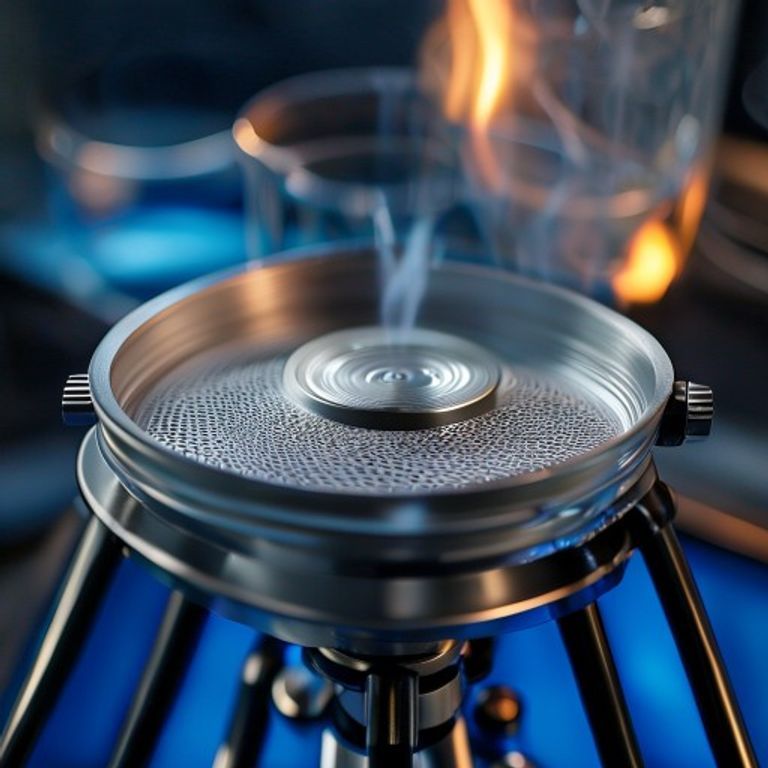
When we step into a chemistry lab, the first thing that catches our eye is often the Bunsen burner blazing under a metal mesh. That mesh is the wire gauze, a humble yet indispensable piece of equipment. Whether you’re heating a beaker, melting a solid, or simply need a stable platform for your flask, wire gauze does the heavy lifting. In this article, I’ll walk you through what wire gauze is used for, how to use it safely with a Bunsen burner, why many models have a ceramic center, and what to look for when buying one. Let’s demystify this “lab superpower” together.
What Is Wire Gauze Used for in Chemistry Labs?
Wire gauze is a thin, perforated sheet of metal—usually stainless steel or nickel‑chrome alloy—designed to distribute heat evenly. Here are the most common applications:
- Heat distribution: It spreads the flame’s heat across the bottom of a beaker or flask, preventing hot spots that could crack glass.
- Support for glassware: Placed on a tripod stand, it provides a stable, non‑slipping surface for beakers, test tubes, and crucibles.
- Safety barrier: It acts as a shield between the open flame and the glassware, reducing the risk of direct flame contact.
How to Use Wire Gauze with a Bunsen Burner
Using wire gauze correctly is as easy as 1‑2‑3, but a few nuances make a big difference in safety and efficiency:
Step 1 – Set Up the Tripod
First, position a sturdy tripod stand over the Bunsen burner. If you’re looking for a reliable stand, check out the science tripod stand guide for tips on stability.
Step 2 – Place the Wire Gauze
Lay the wire gauze flat on the tripod’s top ring. Make sure the holes are facing upward so heat can pass through evenly.
Step 3 – Add the Ceramic Center (if present)
Many gauzes come with a ceramic disc in the middle. This disc further smooths out the heat and protects delicate glassware from direct flame contact.
Step 4 – Position Your Glassware
Place the beaker, flask, or crucible on the gauze. Adjust the Bunsen burner flame to a gentle blue cone for most heating tasks. Avoid a roaring orange flame; it can overheat the gauze and damage the glass.
Purpose of the Ceramic Center on Wire Gauze
The ceramic center isn’t just a fancy addition—it serves three key purposes:
- Even heat diffusion: Ceramic has a high thermal mass, which spreads heat more uniformly across the surface.
- Glass protection: It acts as a buffer, reducing the chance of the glass touching a hot spot.
- Longevity: The ceramic layer shields the metal mesh from direct flame, extending the gauze’s lifespan.
Buying Wire Gauze for Chemistry Experiments
When you’re ready to purchase, keep these factors in mind:
- Material: Stainless steel is corrosion‑resistant; nickel‑chrome offers higher heat tolerance.
- Size: Choose a size that matches your tripod’s top ring (commonly 6‑inch or 8‑inch diameters).
- Ceramic vs. No Ceramic: If you frequently heat delicate glassware, opt for a gauze with a ceramic center.
- Safety standards: Look for products that meet laboratory safety certifications (e.g., ASTM, ISO).
Wire Gauze vs. Asbestos Gauze in Chemistry
Older labs sometimes still have asbestos gauze. Here’s why wire gauze is the modern, safer choice:
- Health risks: Asbestos fibers can become airborne and cause serious respiratory diseases.
- Heat performance: Wire gauze provides more consistent heat distribution than asbestos.
- Durability: Metal meshes are easier to clean and last longer under repeated heating cycles.
For a deeper dive into the definition and superpowers of wire gauze, read our detailed guide wire gauze definition and its lab superpowers.
Practical Tips for Everyday Use
- Inspect before use: Look for bent wires or cracked ceramic pieces.
- Never leave unattended: A hot gauze can stay scorching for minutes after the flame is off.
- Clean gently: Use a soft brush to remove residue; avoid abrasive pads that could damage the mesh.
- Store flat: Stack gauzes without bending them to preserve their shape.
Conclusion
Wire gauze may seem like a simple piece of metal, but it’s a workhorse that keeps our experiments safe and efficient. By understanding its uses, mastering the proper setup with a Bunsen burner, and choosing the right product for your lab, you’ll avoid common pitfalls and get the most out of every heating step. Remember, a good wire gauze is an investment in safety, precision, and the longevity of your glassware.
FAQ
Can I use wire gauze without a tripod stand?
Technically you can place it on a flat surface, but without a tripod the heat distribution becomes uneven and the risk of glass breakage increases.
Is ceramic‑centered gauze more expensive?
Usually a bit pricier, but the added protection and longer lifespan often justify the cost.
How often should I replace my wire gauze?
Inspect it after each use. Replace if wires are bent, the ceramic cracks, or if you notice discoloration from repeated heating.
Can I use wire gauze for open‑flame sterilization?
Yes, but ensure the gauze is clean and free of residues that could ignite.
What safety gear should I wear while using wire gauze?
Always wear heat‑resistant gloves, safety goggles, and a lab coat to protect against splashes and accidental burns.