

Beyond the Glass: Unveiling the Diverse World of Test Tube Types

The Unsung Heroes of the Lab: Why Understanding Test Tube Types Matters
When we think of a chemistry lab, what’s one of the first images that pops into our mind? Chances are, it’s a slender glass tube, perhaps bubbling with colorful liquid. Yes, I’m talking about the humble test tube! While seemingly simple, these small vessels are absolute workhorses in nearly every scientific discipline. But here’s a little secret: not all test tubes are created equal. Just like different tools serve different purposes in a workshop, understanding the various test tube types is crucial for accurate and safe laboratory work. Today, we’re going on a little journey to explore the fascinating diversity of these essential pieces of laboratory glassware and plasticware.
Many beginners might think a test tube is just a test tube. However, from their material composition to their specific design, each type is engineered for particular tasks, from basic chemical reactions to complex biological assays. Choosing the wrong type can lead to inaccurate results, contamination, or even safety hazards. So, let’s dive in and unravel the different types of test tubes and uses that make our scientific endeavors possible.
The Foundation: Common Test Tube Materials and Classifications
Before we look at shapes and sizes, let’s talk about what test tubes are made of. This is one of the most fundamental common test tube materials and classifications that dictates their suitability for various applications.
Borosilicate Glass: The Heat-Resistant Champion
This is perhaps the most familiar type. Borosilicate glass, often known by brand names like Pyrex or Kimax, is incredibly resistant to thermal shock and chemical attack. This means we can heat it directly over a Bunsen burner, or use it for reactions involving strong acids and bases without worrying too much. It’s robust and durable, making it ideal for general chemical reactions, heating samples, and long-term storage where chemical stability is key.Soda-Lime Glass: The General-Purpose Option
Less resistant to thermal shock than borosilicate, soda-lime glass test tubes are usually thicker-walled and are best suited for room-temperature applications or gentle heating. They are more economical and perfectly fine for many routine tasks like holding samples, simple mixing, or preparing solutions that don’t involve extreme temperatures or corrosive chemicals.Plastic Test Tubes: Safety and Convenience First
Plastic test tubes, often made from polypropylene (PP) or polystyrene (PS), are a game-changer for safety and disposability. They’re excellent for samples that don’t require heating or harsh chemicals, and their break-resistant nature is a huge plus. Just like we see versatility in essential plastic beaker uses, plastic test tubes offer similar advantages. Polypropylene is autoclavable and has good chemical resistance, while polystyrene is clear and often used for single-use applications, especially in microbiology.
Unpacking the Shapes and Sizes: Different Types of Test Tubes and Their Uses
Beyond materials, the design of a test tube plays a vital role in its function. When we ask what are the main types of test tubes, we’re often referring to their structural variations.
Standard Test Tubes: The Everyday Workhorse
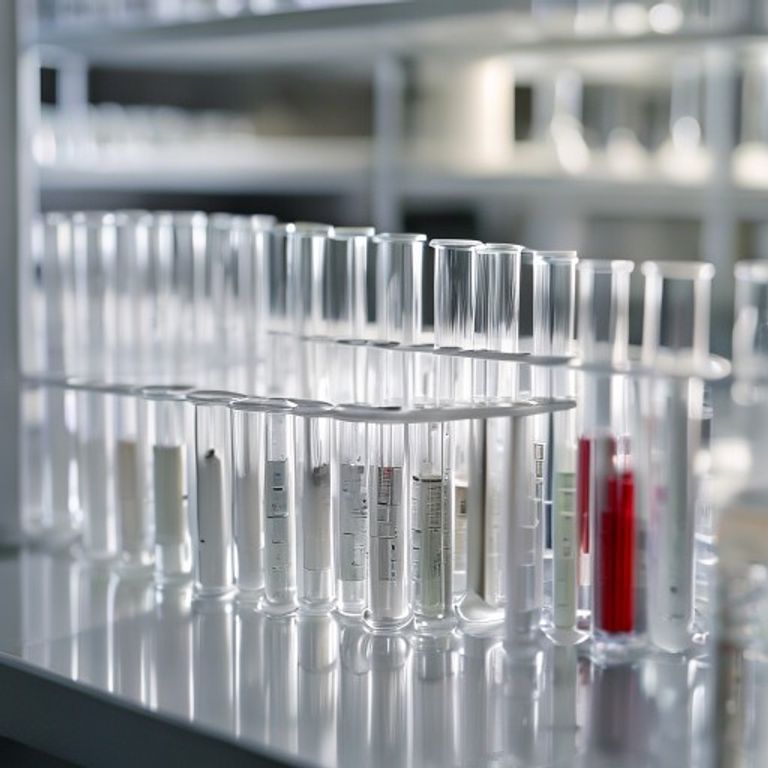
These are the classic, round-bottomed, open-top tubes we all recognize. They come in various capacities (typically 5 mL to 25 mL) and are used for general mixing, heating small quantities of liquids, and performing qualitative tests. Their open top allows for easy addition and removal of reagents.Culture Tubes: Nurturing Life in the Lab
Often slightly wider and sometimes with a screw cap, culture tubes are specifically designed for growing microbial cultures (like bacteria or fungi) or cell cultures. The screw cap helps maintain sterility and prevents evaporation. You’ll find these extensively in the lab’s unsung workhorse, microbiology, where preventing contamination is paramount.Centrifuge Tubes: Spinning for Separation
These are a distinct category of test tube types. Typically made of durable plastic or strong glass, centrifuge tubes are designed to withstand the high g-forces of a centrifuge. They often have a conical bottom to concentrate solid precipitates at the very tip, making it easier to separate them from the supernatant liquid. They range from small microcentrifuge tubes (0.5-2 mL) to larger capacities (15 mL, 50 mL).Small Test Tube Types for Laboratory Work (Micro-Tubes)
For precious samples or micro-scale reactions, we use small test tube types for laboratory work, often called micro-tubes or microcentrifuge tubes. These typically hold volumes ranging from 0.2 mL to 2 mL and are crucial in molecular biology, biochemistry, and clinical diagnostics where sample volumes are limited.
Specialized Test Tubes for Niche Applications
Beyond the common types, some test tubes are designed for highly specific purposes:
Blood Collection Tubes (Vacuum Tubes): These tubes, like Vacutainer® or Venipuncture tubes, come with pre-measured vacuum to draw a precise amount of blood and contain various additives (anticoagulants, clot activators) indicated by different colored caps. They are critical for clinical diagnostics.
NMR Tubes: Used in Nuclear Magnetic Resonance spectroscopy, these are extremely thin-walled, precision-machined glass tubes designed for perfect rotation within an NMR spectrometer.
Cryogenic Vials: These are robust, often screw-capped plastic tubes designed for ultra-low temperature storage, typically in liquid nitrogen. They are used for long-term preservation of biological samples like cells, DNA, or tissues.
PCR Tubes/Strips: Extremely small, thin-walled plastic tubes or strips of tubes designed for the Polymerase Chain Reaction (PCR). Their thin walls allow for rapid temperature transfer, which is essential for PCR cycling.
Choosing the Right Test Tube: Practical Considerations
So, with all these options, how do we pick the right one? Here are some practical tips:
Chemical Compatibility: Is your sample acidic, basic, or solvent-based? Ensure the test tube material won’t react with it.
Temperature Resistance: Will you be heating, freezing, or autoclaving the tube? Borosilicate glass or polypropylene are often the best choices for extreme temperatures.
Sterility Requirements: For microbiology or cell culture, pre-sterilized tubes or autoclavable materials are a must.
Volume Capacity: Match the tube size to the volume of your sample to avoid waste or overflow.
Cost and Disposability: For routine, high-volume work, disposable plastic tubes can be more efficient and cost-effective than reusable glass.
Conclusion
From simple mixing to complex biological assays, test tubes are undeniably indispensable. Understanding the distinctions between the various test tube types, their materials, and their specialized designs isn’t just academic knowledge; it’s a practical skill that ensures the accuracy, safety, and efficiency of our laboratory experiments. Next time you reach for a test tube, I hope you’ll have a newfound appreciation for the thoughtful engineering behind this essential piece of lab equipment. Choosing wisely empowers us to achieve better scientific outcomes, every single time.
FAQ About Test Tube Types
Q: What is the most common type of test tube?
A: The most common type is typically a standard, round-bottomed, open-top test tube, often made of borosilicate glass, ranging from 10-20 mL in capacity. It’s used for general laboratory procedures.
Q: Can test tubes be reused?
A: Glass test tubes can often be cleaned, sterilized (e.g., by autoclaving), and reused, especially if made from borosilicate glass. Plastic test tubes, particularly those used for sensitive biological work, are generally designed for single use to prevent contamination.
Q: What’s the main difference between a test tube and a culture tube?
A: While similar in appearance, culture tubes are specifically designed for growing microorganisms or cells. They often have screw caps to maintain a sterile environment and prevent evaporation, whereas standard test tubes are typically open-ended and used for chemical reactions or temporary sample holding.
Q: Why are some test tubes made of plastic instead of glass?
A: Plastic test tubes offer advantages such as being shatter-resistant (safer), lighter, disposable (reducing cleaning time and cross-contamination risk), and often less expensive. They are ideal for applications that don’t involve high heat or strong solvents that might degrade plastic.