The Essential Guide to Scientific Spatula Uses: From Chemistry to Biology Labs

Introduction
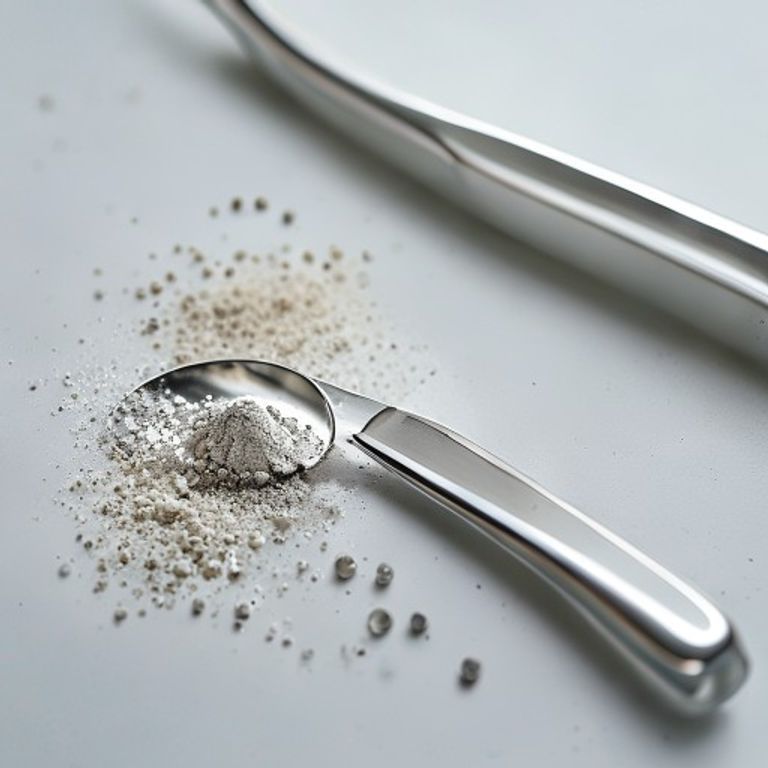
When you walk into a modern laboratory, the shiny beakers, the humming centrifuges, and the colorful flasks usually steal the spotlight. Yet, there’s a modest tool quietly doing a lot of heavy lifting – the laboratory spatula. In this article, I’ll walk you through the many scientific spatula uses that make our daily experiments smoother, safer, and more precise. Think of a spatula as the “spoon” of the lab, but designed to handle powders, crystals, and even tiny biological samples without a mess.
What Is a Laboratory Spatula Used For?
At its core, a lab spatula is a small hand‑held instrument with a flat, often slightly curved blade. It’s primarily used for:
- Picking up, transferring, and weighing solid reagents.
- Scooping powders from containers or weighing boats.
- Mixing small amounts of substances directly on a surface.
- Handling hazardous or moisture‑sensitive compounds with a controlled touch.
Because the blade can be made from stainless steel, plastic, or even ceramic, you can choose the right material for the chemistry or biology task at hand.
Key Uses of a Spatula in a Chemistry Lab
Accurate Reagent Transfer
Precision matters when you’re measuring milligram quantities. A stainless‑steel spatula lets you scoop a exact amount of a solid, then transfer it to a balance or reaction vessel. It’s like using a tiny, non‑stick shovel that won’t cling to the powder, ensuring you don’t lose any material.
Preventing Cross‑Contamination
When you work with multiple reagents, especially those that react with moisture, a dedicated spatula for each chemical is crucial. Plastic spatulas are ideal for highly reactive substances because they’re less likely to spark or cause unwanted reactions.
Mixing Small Samples
Need to blend a few crystals with a solvent on a watch glass? A flat spatula can gently stir the mixture without breaking delicate structures – think of it as a tiny paddle for micro‑scale cooking.
Why Do Scientists Use Spatulas?
Beyond the obvious convenience, spatulas provide:
- Safety: They keep your hands away from corrosive or hot substances.
- Control: You can pick up just a pinch of a powder, avoiding over‑loading a reaction.
- Versatility: From handling nanogram samples in analytical chemistry to moving agar blocks in microbiology, a spatula adapts.
Different Types of Spatulas and Their Scientific Applications
Stainless Steel Spatulas
These are the workhorses for most organic syntheses. They resist heat, are easy to sterilize, and don’t react with most chemicals. If you’re looking for a deeper comparison, check out the spatula laboratory guide for details on material choices.
Heat‑Resistant Plastic Spatulas
Perfect for high‑temperature applications where metal could conduct heat too quickly, or when you need a non‑conductive tool for electrochemical work.
Micro Spatulas
These tiny, often stainless‑steel or titanium tools are designed for biology labs. They let you pick up microscopic tissue fragments, transfer colonies, or handle delicate DNA gels. Their purpose in biology is akin to using tweezers for a single grain of rice – precise and gentle.
Coated or Teflon‑Tipped Spatulas
When dealing with sticky or oily substances, a Teflon coating prevents the material from adhering to the blade, making cleanup a breeze.
Purpose of a Micro Spatula in Biology
In a biology setting, a micro spatula becomes a “microscopic spoon.” You’ll find it useful for:
- Transferring tiny agar plugs for sub‑culturing.
- Picking up individual insect specimens for microscopy.
- Handling delicate crystal structures in protein crystallography.
Because the tip is so fine, you can work under a stereomicroscope without disturbing surrounding samples.
Practical Tips for Using Lab Spatulas Effectively
- Label Your Spatulas: Use color‑coded caps or stickers to avoid cross‑contamination.
- Clean Immediately: Rinse with appropriate solvents right after use to prevent residue buildup.
- Store Properly: Keep them in a dry, dust‑free drawer or on a magnetic strip to maintain blade integrity.
- Match Material to Task: Choose stainless steel for heat‑stable reactions, plastic for reactive chemicals, and micro spatulas for tiny biological samples.
Related Lab Tools You Might Already Use
While the spatula often works hand‑in‑hand with other equipment, it’s worth remembering its partners. For example, the wire gauze uses in the chemistry lab provide even heating distribution, and funnels help you transfer liquids without spills. Understanding how each tool complements the other makes your workflow smoother.
Conclusion
Even though it’s easy to overlook, the laboratory spatula is a true unsung hero in scientific research. Whether you’re weighing milligram quantities of a catalyst, mixing a tiny batch of reagents, or handling microscopic biological samples, the right spatula makes the job safer, cleaner, and more accurate. By selecting the proper type, maintaining cleanliness, and integrating it with other lab equipment, you’ll boost both efficiency and reproducibility in your experiments.
FAQ
Q: Can I use a kitchen spatula for lab work?
A: It’s not recommended. Kitchen spatulas aren’t made from chemically resistant materials and may introduce contaminants.
Q: How often should I replace my lab spatulas?
A: Inspect them regularly. If the blade shows signs of corrosion, deformation, or residue buildup that won’t clean off, replace it.
Q: Are disposable spatulas better for hazardous chemicals?
A: Disposable plastic spatulas are convenient for highly toxic or radioactive substances, as they eliminate the need for cleaning.
Q: What size spatula should I choose for micro‑scale work?
A: Look for micro spatulas with blade lengths under 2 cm; they’re designed for precision under a microscope.
Q: Can a spatula be sterilized in an autoclave?
A: Stainless‑steel spatulas can usually withstand autoclaving, but check the manufacturer’s specifications for heat‑resistant plastics.