

Unlocking Lab Safety: The Essential Test Tube Holder Function You Need to Master

Introduction: The Unsung Hero of Your Lab Bench
Ever found yourself in a lab, needing to handle a test tube that’s just too hot, too cold, or contains something you’d rather not touch with your bare hands? We’ve all been there! That’s when a seemingly simple, often overlooked piece of equipment becomes our best friend: the test tube holder. It might not be as flashy as a microscope or as complex as a spectrometer, but understanding the test tube holder function is absolutely crucial for anyone working in a scientific environment. Trust me, it’s not just a fancy pair of tongs; it’s a fundamental tool for safety and precision.
In this article, we’re going to dive deep into what this handy gadget does, why it’s so important, and how we can use it like a pro. From preventing burns to protecting ourselves from splashes, the test tube holder is truly an essential piece of equipment in any science classroom or professional laboratory.
What Exactly Does a Test Tube Holder Do?
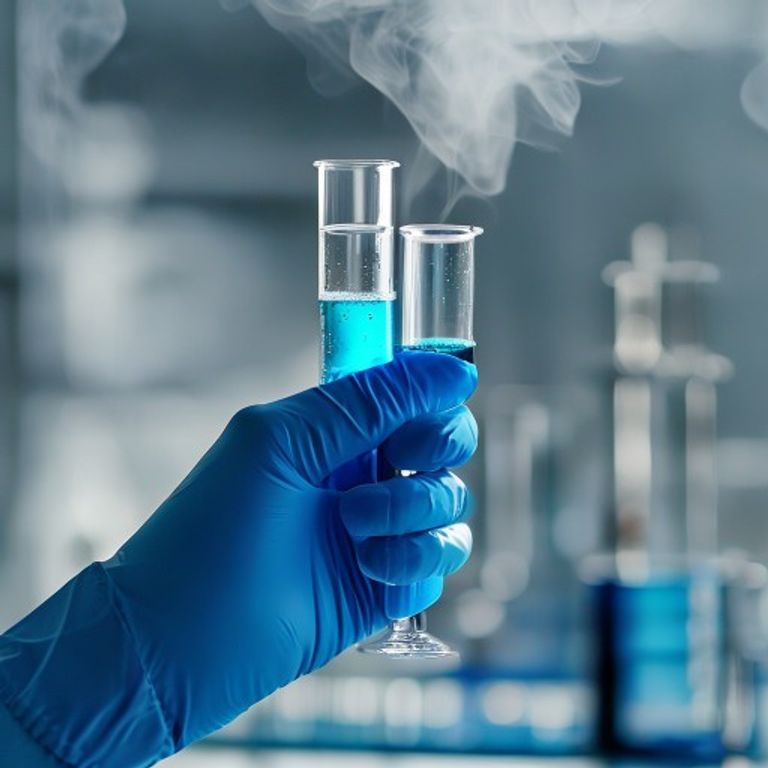
At its core, the primary test tube holder function is pretty straightforward: it allows us to securely grip and manipulate individual test tubes without direct hand contact. Imagine trying to hold a hot test tube with your fingers – ouch! Or perhaps a tube containing a corrosive chemical. The holder acts as an extension of our arm, providing a safe buffer between us and potentially hazardous conditions.
It’s essentially a spring-loaded clamp, typically made of metal or sometimes wood, designed with curved jaws that perfectly cradle the test tube. This design ensures a firm grip, preventing slips and spills, which, as we know, can be disastrous in a lab setting. Think of it like a specialized pair of chopsticks for your test tubes – precise, controlled, and keeps your fingers out of trouble!
Why We Absolutely Need Them: Safety First!
If there’s one golden rule in the lab, it’s safety, safety, safety. And that’s precisely why we use a test tube holder in the lab. Its importance cannot be overstated. Here are a few key reasons why this simple tool is a safety superstar:
- Preventing Burns: This is probably the most common scenario. When we heat liquids in test tubes, the glass can become extremely hot, and it retains heat for a surprisingly long time. A test tube holder ensures we can transfer, shake, or pour without risking serious burns.
- Avoiding Chemical Contact: Some chemicals, even in small quantities, can be irritating, corrosive, or toxic if they come into contact with our skin. By using a holder, we minimize the risk of accidental exposure during handling or transfer. This is especially true when working with open test tubes where splashes might occur.
- Maintaining Sterility: In microbiology or sensitive experiments, touching the test tube directly can introduce contaminants from our hands, compromising the integrity of the experiment. The holder provides a sterile way to manage glassware.
- Enhanced Control: Trying to grip a small, smooth glass tube with gloved hands can be tricky. The holder provides a much more secure and controlled grip, reducing the chances of dropping precious samples or breaking expensive glassware.
Heating Things Up: The Test Tube Holder’s Role
Heating is a very common procedure in chemistry and biology labs. Whether we’re dissolving a solid, accelerating a reaction, or sterilizing a sample, the purpose of a test tube holder in heating is paramount. When we heat a test tube, we typically do it over a Bunsen burner or an alcohol lamp. The holder allows us to:
- Hold the tube at the correct angle: We often need to heat the bottom of the tube, and sometimes gently swirl it. The holder gives us the flexibility to do this without exposing our hands to the flame.
- Move the tube evenly: To prevent localized overheating and bumping (when superheated liquid suddenly boils violently), we need to constantly move the test tube through the flame. The holder makes this smooth, controlled movement possible.
- Protect from sudden boiling: Liquids in a test tube can sometimes “bump” or boil explosively, especially if not heated evenly. The holder keeps our hands away from any sudden splashes of hot liquid. For larger heating setups requiring stable support, it’s also good to remember tips for mastering the laboratory tripod for safe heating and reliable support, often used in conjunction with test tube holders.
Beyond Heat: Handling Chemicals and Other Substances
While heating is a major application, the proper use of a test tube holder for chemicals extends to various other scenarios. Any time we deal with potentially hazardous or sensitive substances, a test tube holder is our friend. This includes:
- Adding reagents: When carefully adding drops of a chemical into a test tube, the holder keeps the tube steady and our hands safe from accidental spills from the reagent bottle.
- Mixing solutions: Gently shaking or swirling a test tube to mix its contents is much safer and more controlled with a holder, especially if the contents are volatile or corrosive.
- Transferring samples: Moving a test tube from one rack to another, or from a reaction vessel to a waste container, is made safer and easier with a firm grip from the holder.
- Observing reactions: Sometimes, we need to observe a reaction up close without directly touching the apparatus. The holder allows us to position the tube safely for observation.
Tips for Proper Use: A Quick Guide
Even for such a simple tool, a few best practices can make a big difference:
- Grip Firmly, Not Too Tight: Place the holder about one-third down from the top opening of the test tube. Grip it firmly enough so the tube won’t slip, but don’t squeeze so hard that you might crack the glass.
- Angle Away: Always point the mouth of the test tube away from yourself and others, especially when heating or mixing. You never know when a splash might occur.
- Constant Movement (When Heating): If heating, keep the test tube moving gently in and out of the flame, rotating it slightly to ensure even heating and prevent “bumping.”
- Always Check: Before picking up any test tube, especially if it was recently heated, visually check its temperature if possible or approach with caution.
- Clean After Use: Just like any other lab equipment, a test tube holder should be cleaned if it comes into contact with chemicals, ensuring it’s ready and safe for the next use.
Conclusion: Small Tool, Big Impact
So, there you have it. The test tube holder might seem like a minor piece of equipment, but its test tube holder function is absolutely vital for ensuring safety, precision, and efficiency in the laboratory. It protects us from burns, chemical exposure, and ensures our experiments run smoothly. Next time you’re in the lab, give a little nod of appreciation to this unsung hero – it’s often the simple tools that make the biggest difference in keeping us safe and our science successful!
FAQ: Your Test Tube Holder Questions Answered
Q1: What is the main purpose of a test tube holder?
The main purpose is to allow users to securely hold and manipulate test tubes without direct hand contact, primarily for safety reasons such as protection from heat and chemicals, and to prevent contamination.
Q2: Can I use a test tube holder for very large test tubes or flasks?
Test tube holders are specifically designed for standard-sized test tubes. For larger glassware like flasks or beakers, you would typically use beaker tongs or flask clamps, which are designed to provide a more secure grip for heavier and larger items.
Q3: How do I choose the right test tube holder?
Most standard test tube holders are universally designed to fit common test tube sizes. Some might be made of wood (better for less intense heating as they don’t conduct heat as much) or metal. For general lab use, a sturdy metal holder with a good spring mechanism is usually sufficient.
Q4: Why is it important to heat a test tube at an angle and not directly vertically?
Heating a test tube vertically can lead to localized superheating at the bottom, which can cause the liquid to “bump” or boil explosively, potentially ejecting hot contents. Heating at an angle and moving it gently through the flame helps distribute the heat more evenly and allows vapors to escape safely.