Mastering the Laboratory Tripod: Essential Tips for Safe Heating and Reliable Support

Introduction
When we step into a chemistry lab, the first thing that often catches our eye is the humble laboratory tripod. It may look simple, but this three‑legged stand is a workhorse that keeps our experiments stable and our hands safe, especially when we’re heating liquids over a Bunsen burner. In this article, I’ll walk you through the function of a tripod, how to set it up correctly, and why the combination of a tripod and wire gauze is a must‑have duo in any chemistry session.
What Does a Tripod Do in a Lab Experiment?
Think of a tripod as the “stage” for your heating apparatus. Its main roles are:
- Support: Holds beakers, flasks, or crucibles above the flame.
- Stability: The three legs distribute weight evenly, reducing the risk of tipping.
- Heat Distribution: When paired with wire gauze, it spreads the heat more uniformly, preventing hot spots that could crack glassware.
Without a sturdy tripod, you’d be juggling glassware directly over the flame – a recipe for spills and broken equipment.
How to Properly Use a Laboratory Tripod Stand for Heating
Setting up a tripod may seem straightforward, but a few simple steps can make a big difference in safety and efficiency:
- Inspect the Legs: Check for any cracks or loose joints before use.
- Position on a Stable Surface: Place the tripod on a flat, heat‑resistant bench.
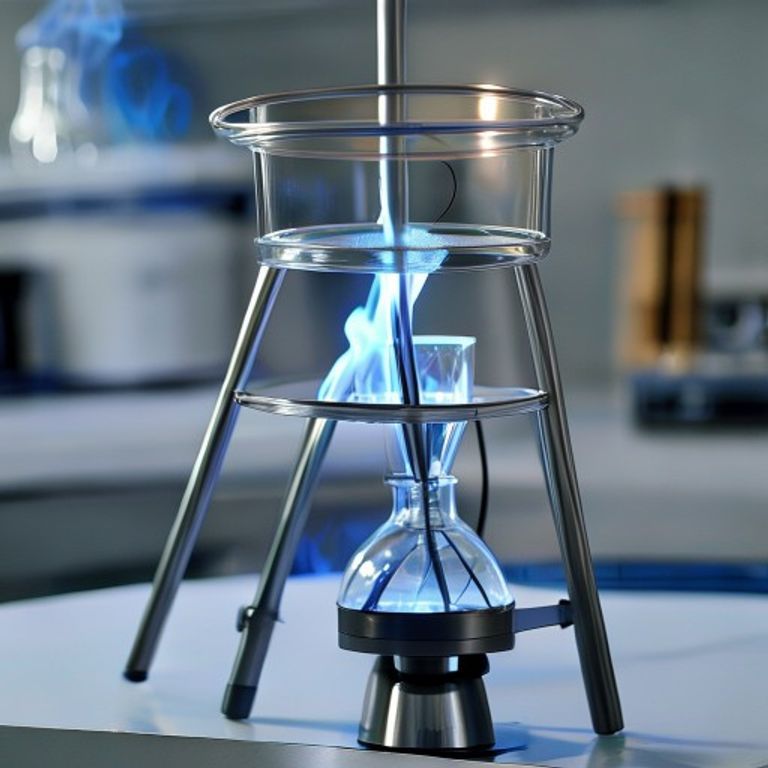
- Adjust the Height: Most tripods have removable legs; choose a height that allows the flame to touch the bottom of the wire gauze without touching the stand itself.
- Place Wire Gauze Correctly: Center the gauze on the tripod’s top ring; it should sit snugly without wobbling.
- Set Your Vessel: Put the beaker or flask on the gauze, making sure it’s centered.
- Light the Bunsen Burner: Ignite the burner and adjust the flame to a gentle blue cone – too large a flame can overheat the glassware.
Importance of Tripod and Wire Gauze in Chemistry Labs
The duo of tripod and wire gauze works like a cushion and a diffuser. The gauze spreads the flame’s heat, reducing direct contact that could cause thermal shock. This is especially crucial when heating volatile liquids or delicate glassware.
For safe handling of powders while heating, you might also need the right tools. Check out the practical guide to laboratory spatulas for tips on avoiding cross‑contamination and spills.
Step‑by‑Step Guide to Setting Up a Tripod for Bunsen Burner Heating
Let’s walk through a typical setup:
- Step 1 – Gather Equipment: Tripod, wire gauze, Bunsen burner, heat‑resistant gloves, and the container you’ll heat.
- Step 2 – Assemble the Tripod: Spread the legs wide for maximum stability.
- Step 3 – Add Wire Gauze: Place it on the top ring; if your tripod has a perforated plate, use it for extra support.
- Step 4 – Position the Vessel: Ensure the container sits flat and centered.
- Step 5 – Light the Burner: Adjust the air‑fuel mixture for a steady blue flame.
- Step 6 – Monitor the Heating: Keep an eye on temperature changes and never leave the setup unattended.
Safety Tips and Common Mistakes to Avoid
Even experienced chemists can slip up. Here are some pitfalls to watch out for:
- Skipping the Wire Gauze: Direct flame can cause glassware to crack.
- Using a Damaged Tripod: Cracks or loose legs can collapse under weight.
- Over‑filling the Vessel: Boiling liquids can spill over the edges, creating a fire hazard.
- Leaving the Flame Unattended: Always stay within arm’s reach of the burner.
If you’re just starting out, the basic chemistry made simple guide offers a solid foundation for safe lab practices.
Conclusion
The laboratory tripod may not be the flashiest piece of equipment, but it’s indispensable for any heating experiment. By inspecting the stand, using wire gauze, and following a systematic setup, we can protect both our samples and ourselves. Next time you reach for that Bunsen burner, remember that a well‑positioned tripod is the silent hero that keeps the experiment on track.
FAQ
Q: Can I use a metal tripod for heating glassware?
A: Yes, metal tripods are common and durable, but always ensure the legs are clean and free of rust.
Q: How high should the flame be relative to the wire gauze?
A: The flame should just touch the underside of the gauze. A too‑high flame can overheat the gauze and cause uneven heating.
Q: Is it safe to heat corrosive liquids on a tripod?
A: Use a corrosion‑resistant container (like a PTFE beaker) and double‑check that the tripod legs are made of a material that won’t react.
Q: What if my tripod doesn’t have a ring for the wire gauze?
A: You can place the gauze directly on the top of the legs, but make sure it’s stable and evenly supported.
Q: How often should I replace a tripod?
A: Replace it if you notice any cracks, bent legs, or loose joints – typically every 2–3 years for heavy‑use labs.