


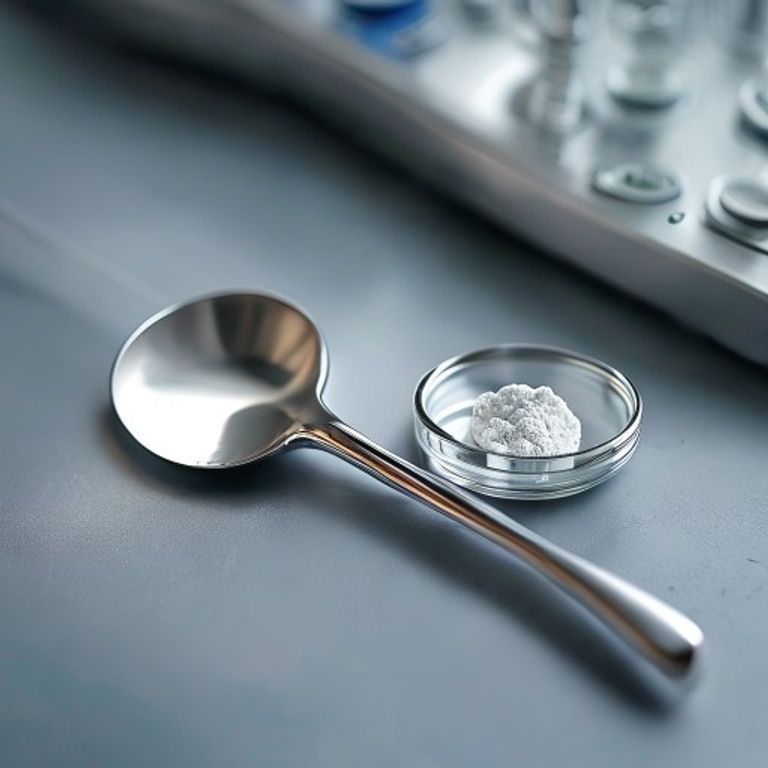
The Ultimate Guide to Lab Spatulas: Types, Uses, Materials, Buying Tips & Care

Introduction
When we step into a chemistry lab, the first thing that catches our eye is often the glittering glassware or the humming centrifuge. Yet, one of the most underrated heroes is the humble lab spatula. Whether you’re transferring a milligram of a precious catalyst or scooping a bulk powder for a synthesis, the right spatula can make the difference between a clean experiment and a messy disaster. In this guide, I’ll walk you through everything you need to know – from the different types and materials to where to buy them and how to keep them pristine.
Types of Lab Spatulas
Lab spatulas come in several shapes, each tailored for a specific task. Here’s a quick rundown:
- Flat spatulas – Ideal for scraping residues off containers and spreading powders evenly.
- Round‑tip (or dome) spatulas – Perfect for scooping small amounts of solid reagents without spilling.
- Micro spatulas – Tiny, often stainless steel or plastic, used for microscale work (think micro‑gram transfers).
- Plastic spatulas – Disposable, great for single‑use applications where contamination is a concern.
- Stainless steel spatulas – Durable, heat‑resistant, and suitable for a wide range of chemicals.
Uses of Micro Lab Spatulas
If you’ve ever tried to handle a handful of catalyst that’s worth more than your rent, you know why micro spatulas are a lifesaver. Their tiny tips let you:
- Pick up less than 1 mg of solid without losing any to the air.
- Transfer reagents directly into reaction vials, minimizing exposure.
- Perform precise weighing on analytical balances.
Think of a micro spatula as the tweezers of the chemical world – small, precise, and incredibly handy.
Chemistry Lab Spatula Materials
The material you choose influences durability, chemical compatibility, and cleaning procedures:
- Stainless steel – Resistant to most acids, bases, and organic solvents; can be autoclaved.
- Polytetrafluoroethylene (PTFE) – Excellent for highly corrosive reagents; non‑stick surface.
- Polypropylene (PP) – Light, inexpensive, and disposable; good for non‑reactive substances.
- Glass‑coated metal – Rare, used when extreme inertness is required.
Where to Buy Stainless Steel Lab Spatulas
Finding a reliable supplier is easier than you think. Many scientific catalogues stock high‑quality stainless steel spatulas, but a few go the extra mile with ergonomic handles and precision‑ground tips. For a curated list of reputable vendors, check out the essential laboratory spatula functions article – it not only explains why stainless steel is a top choice but also points you to trusted sources.
Cleaning and Sterilizing Lab Spatulas
Proper maintenance extends the life of your spatulas and prevents cross‑contamination. Follow these steps:
- Rinse immediately after use with distilled water to remove loose particles.
- Soak in a suitable solvent (e.g., acetone for organic residues) for 5–10 minutes.
- Scrub gently with a non‑abrasive brush to avoid dulling the tip.
- Rinse again with deionized water.
- Dry with lint‑free tissue or air‑dry in a clean cabinet.
- For sterilization, place stainless steel spatulas in an autoclave (121 °C, 15 psi, 15 min) or soak in 70 % ethanol for 10 minutes.
Remember, plastic spatulas are usually single‑use, so discard them after the cleaning step to avoid hidden cracks.
Choosing the Right Spatula for Your Lab
Just like you wouldn’t use a hammer to tighten a screw, picking the correct spatula matters. Ask yourself:
- What is the scale of the material I’m handling? (micro vs. bulk)
- Will the spatula be exposed to harsh chemicals?
- Do I need a tool that can be sterilized repeatedly?
- Is ergonomics important for prolonged use?
By answering these questions, you’ll narrow down the options quickly and avoid buying a “one‑size‑fits‑all” that ends up gathering dust.
Related Lab Tools You Might Need
While you’re optimizing your spatula game, consider other essential instruments that often share the same storage space. For example, a sturdy scientific tripod can keep your balance‑sensitive equipment steady, reducing the risk of spills that would otherwise ruin your spatula‑handled samples.
Conclusion
Lab spatulas may be small, but their impact on experimental accuracy and safety is huge. By understanding the different types, appropriate materials, where to source high‑quality stainless steel versions, and how to clean them properly, you’ll boost efficiency and keep your bench tidy. Next time you reach for that tiny metal scoop, remember: it’s not just a tool, it’s a precision partner in your scientific journey.
FAQ
Q: Can I use a plastic spatula for acidic solutions?
A: Generally no. Plastic can degrade in strong acids. Opt for PTFE or stainless steel instead.
Q: How often should I autoclave my stainless steel spatulas?
A: Autoclave after each use when working with biological samples or when sterility is critical. For routine chemical work, a solvent wash is usually enough.
Q: Are micro spatulas reusable?
A: Yes, if they are made of stainless steel. Clean them thoroughly as described above. Disposable plastic micro spatulas are also available for single‑use applications.
Q: What size spatula should I buy for a teaching lab?
A: A set that includes flat, round‑tip, and micro spatulas (10 mm–30 mm tip length) covers most undergraduate experiments.
Q: Can I sterilize PTFE spatulas in an autoclave?
A: PTFE tolerates up to ~260 °C, but repeated autoclave cycles can cause slight deformation. Use chemical sterilization (e.g., ethanol) when possible.







