


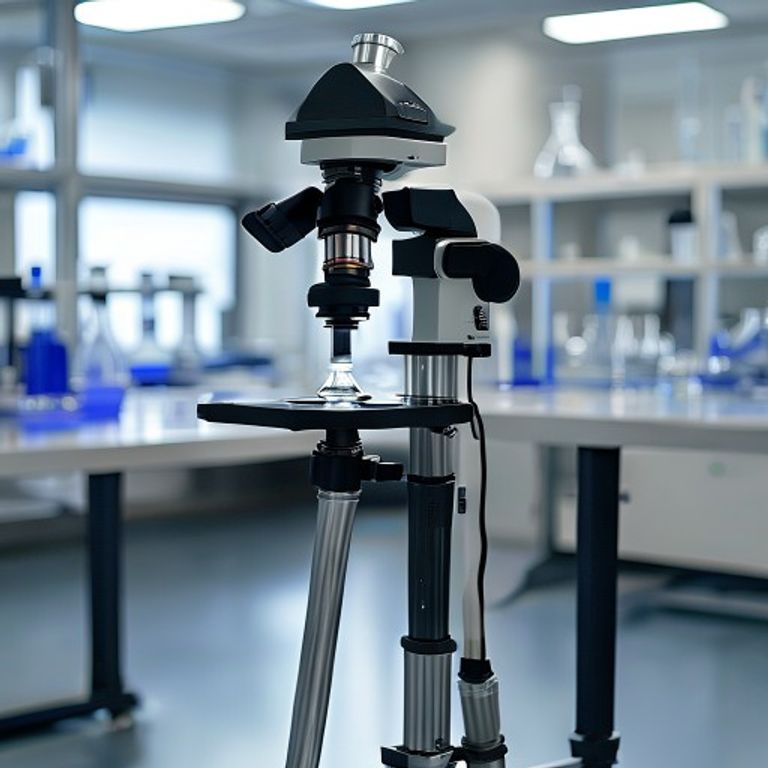
The Ultimate Guide to Choosing the Right Scientific Tripod for Lab and Field Work

Introduction
When we set up an experiment, the last thing we want is a wobbling platform that throws off our measurements. That’s where a scientific tripod becomes a silent hero in the lab or out in the field. In my experience, the right tripod can mean the difference between reliable data and a frustrating repeat‑run. This guide walks you through the key features, common use‑cases, and practical tips for picking the perfect tripod for your scientific needs.
Why Stability Matters in Scientific Settings
Unlike a photographer’s tripod, a scientific tripod must handle delicate instruments, chemicals, and sometimes even magnetic forces. Here’s why stability is non‑negotiable:
- Vibration isolation: Even minor vibrations can distort microscopy images or affect spectrometer readings.
- Consistent height: Precise height adjustment ensures reproducible positioning of sensors or lenses.
- Safety: A sturdy base prevents spills or breakage when dealing with heavy‑duty equipment.
Key Types of Scientific Tripods
1. Laboratory Tripod Stand for Experiments
This is the workhorse of any bench. A typical lab tripod stand features a wide base, a sturdy column, and a removable top plate. It’s ideal for supporting beakers, flasks, or small heating mantles. Look for models with a quick‑release clamp so you can swap accessories without losing alignment.
2. Adjustable Tripod for Microscopy
Microscopy demands micrometer‑level precision. An adjustable tripod for microscopy usually offers:
- Fine‑threaded height adjustment (often 0.5 mm per turn)
- Rotatable head with 360° lock
- Low‑profile design to keep the optical path short
When I switched to a fine‑adjustable model, my image clarity improved dramatically because the stage never drifted during long exposures.
3. Heavy‑Duty Tripod for Chemical Analysis
For tasks like gas chromatography or mass spectrometry, you need a tripod that can bear heavy loads and resist chemical corrosion. Features to prioritize:
- Stainless‑steel or anodized aluminum construction
- Load capacity of at least 15 kg
- Integrated vibration damping pads
4. Portable Tripod for Field Research
Field work demands mobility without compromising stability. A portable scientific tripod should be:
- Lightweight (aluminum or carbon‑fiber)
- Collapsible to fit in a backpack
- Equipped with rubber feet that adapt to uneven terrain
During a recent water‑quality survey, the compact tripod let me set up a portable spectrophotometer in under five minutes, even on a rocky riverbank.
5. Tripod with Magnetic Base for Physics Labs
Some physics experiments involve ferromagnetic components. A magnetic‑base tripod provides a secure anchor on steel tables, eliminating the need for clamps. Just ensure the magnetic force is strong enough to hold your equipment but not so strong that it interferes with sensitive magnetic sensors.
Design Features That Enhance Ergonomics and Accuracy
Beyond load capacity, consider these ergonomic aspects:
- Tripod height adjustment mechanisms: Lever‑type locks are faster than screw‑type, but the latter offers finer control.
- Ergonomic handles: Soft‑grip knobs reduce hand fatigue during frequent height changes.
- Modular accessories: Swappable plates, clamps, and magnetic bases let you customize the tripod for different experiments.
Practical Tips for Maintaining Your Scientific Tripod
Even the toughest tripod needs care:
- Wipe down metal parts after exposure to chemicals to prevent corrosion.
- Periodically tighten all lock nuts and check the foot pads for wear.
- Store the tripod in a dry environment; humidity can cause rust on steel components.
Integrating Tripods with Other Lab Equipment
When you’re building a complete setup, think about how the tripod interacts with other tools. For example, pairing a stable tripod with proper test tubes used for heating or reactions can streamline your workflow. A solid base also complements devices discussed in how a tripod elevates accuracy in scientific experiments, ensuring that every measurement starts from a firm foundation.
Conclusion
Choosing the right scientific tripod isn’t just about buying a piece of metal; it’s about securing the reliability of every experiment you run. Whether you need a heavy‑duty stand for chemical analysis, an adjustable head for microscopy, or a portable unit for field research, focus on stability, ergonomic design, and compatibility with your existing lab gear. With the right tripod, you’ll spend less time troubleshooting and more time discovering.
FAQ
Q: Can I use a photography tripod for lab work?
A: Only if it meets the load capacity and stability requirements of your experiment. Most photography tripods lack vibration damping and may not support heavy glassware.
Q: How do I reduce vibrations on a bench‑top tripod?
A: Choose a model with built‑in damping pads or add a rubber mat beneath the feet. Tighten all lock mechanisms before starting the measurement.
Q: Is a magnetic base safe for sensitive magnetic sensors?
A: It can be, as long as the magnetic field is localized and does not interfere with the sensor’s range. Test the setup with a gaussmeter first.







