The Ultimate Guide to Erlenmeyer Flasks: Sizes, Cleaning, Safety & How It Stands Up to Beakers

Introduction
Hey there, fellow lab enthusiast! If you’ve ever wondered why that conical glass piece sits on almost every lab bench, you’re in the right place. I’m going to walk you through everything you need to know about the erlenmeyer flask—from size charts to cleaning tricks, material choices, and safety tips. Think of this as your cheat‑sheet so you can focus on the experiment, not the glassware.
What Makes an Erlenmeyer Flask Unique?
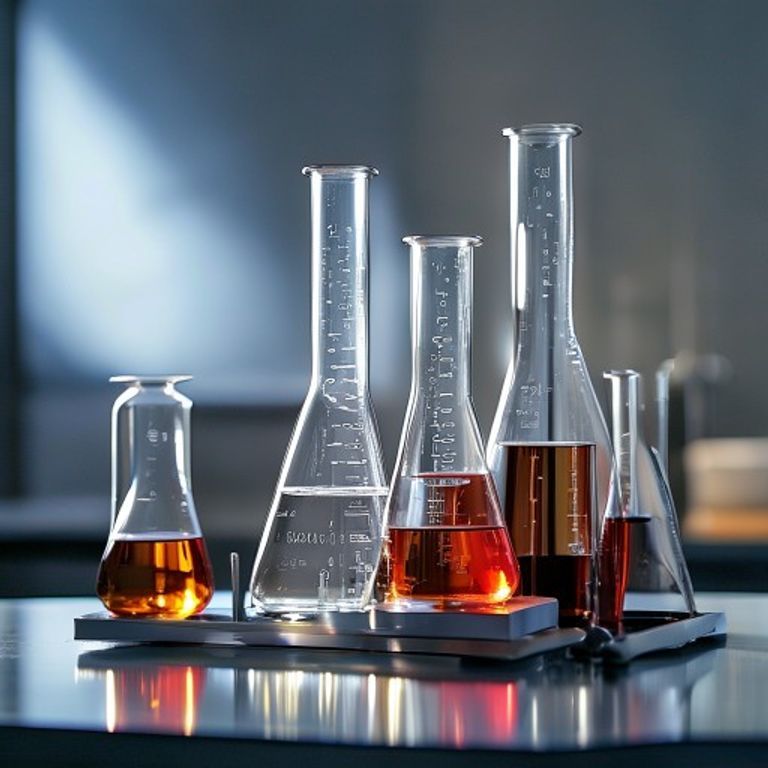
The erlenmeyer flask, also called a conical flask, is a staple of laboratory glassware. Its narrow neck reduces splashing, while the wide base makes stirring easy. In my daily work, it’s the go‑to chemical mixing container for reactions that need gentle swirling without spilling.
Key Features
- Conical shape: Allows easy mixing and prevents aerosol loss.
- Flat bottom: Stands stable on the bench or on a tripod stand.
- Volume markings: Rough graduations help estimate quantities quickly.
Erlenmeyer Flask Sizes Chart
Choosing the right size saves time and avoids over‑filling. Below is a quick reference I keep on my bench:
| Capacity (mL) | Common Dimensions (mm) |
|---|---|
| 50 | 120 × 80 (height × diameter) |
| 100 | 150 × 95 |
| 250 | 190 × 115 |
| 500 | 240 × 150 |
| 1000 | 300 × 180 |
When I’m scaling up a synthesis, I always double‑check the chart to make sure the flask can accommodate the total volume plus a safety margin.
How to Clean an Erlenmeyer Flask
Clean glassware = reliable results. Here’s my step‑by‑step routine:
- Rinse immediately: Flush with tap water right after use to prevent residue hardening.
- Soak in detergent: Fill with warm soapy water, let sit 10‑15 minutes.
- Scrub the neck: Use a bottle brush to reach the narrow opening.
- Rinse with distilled water: Removes any soap traces that could interfere with reactions.
- Dry or autoclave: Air‑dry on a clean rack or place in an autoclave for sterilization.
If you need a sterile container for microbiology, I always follow up with an autoclave cycle—lab equipment sterilization is non‑negotiable.
Erlenmeyer Flask vs. Beaker: The Differences
Both are common, but they serve different purposes. Here’s a quick comparison I use when deciding what to pull out of the cabinet:
| Feature | Erlenmeyer Flask | Beaker |
|---|---|---|
| Shape | Conical, narrow neck | Wide, straight sides |
| Spill resistance | High (thanks to the neck) | Low |
| Stirring | Easy with a magnetic stir bar | Requires a stir rod |
| Volume accuracy | Rough markings | Often no markings |
When I need to heat a solution gently while minimizing evaporation, the erlenmeyer wins. For quick mixing of large volumes, a beaker is more convenient.
Best Material for Erlenmeyer Flasks
Most flasks are made of borosilicate glass because it resists thermal shock and chemicals. However, there are alternatives:
- Borosilicate glass: Ideal for most chemistry work; can handle heating up to 350 °C.
- Plastic (polypropylene): Good for non‑organic solvents and when breakage is a concern.
- Stainless steel: Rare, used in high‑temperature or pressure applications.
My personal favorite remains borosilicate—its clarity lets me see the reaction progress, and it pairs perfectly with a guide to using a graduated cylinder for precise measurements.
Erlenmeyer Flask Safety Guidelines
Safety first, always. Below are the practical rules I live by:
- Never fill more than 2/3 of the flask’s capacity to prevent overflow.
- Use a laboratory tripod stand when heating to keep the flask stable.
- Wear appropriate PPE: goggles, lab coat, and gloves.
- Label the flask if you’re leaving a solution unattended.
- Never close the neck with a stopper while heating unless the flask is designed for pressure.
Following these tips keeps both you and your experiment safe.
Conclusion
From size charts to cleaning hacks, material choices to safety protocols, the erlenmeyer flask is more than just a piece of glass—it’s a versatile workhorse that can make or break an experiment. Keep these practical pointers handy, and you’ll spend less time worrying about glassware and more time discovering new chemistry.
FAQ
Q: Can I use a plastic erlenmeyer flask for organic reactions?
A: Generally no. Plastic can dissolve in many organic solvents, leading to contamination. Stick with borosilicate glass for organic chemistry.
Q: How do I know if my flask is cracked?
A: Inspect under bright light; any hairline cracks will become visible. If in doubt, replace it—cracks can cause sudden breakage under heat.
Q: Is it okay to autoclave a glass erlenmeyer flask?
A: Yes, borosilicate flasks can be autoclaved. Just make sure they are not sealed tightly; pressure buildup can cause shattering.
Q: What’s the best way to store cleaned flasks?
A: Store them upside‑down on a clean rack to allow any residual moisture to drain away.
Q: Can I use the same flask for both acidic and basic solutions?
A: Absolutely, as long as you clean it thoroughly between uses to avoid cross‑contamination.