


The Ultimate Guide to Laboratory Spill Kits: What They Are, How to Use Them, and Where to Buy

Introduction
When we work in a lab, we’re constantly juggling chemicals, glassware, and delicate instruments. One tiny spill can quickly turn into a big headache if we’re not prepared. That’s where a laboratory spill kit becomes our best friend. In this article, I’ll walk you through everything you need to know— from the essential contents to step‑by‑step usage, buying tips, and even a few FAQs. Think of the spill kit as a Swiss Army knife for chemical accidents: compact, versatile, and ready to save the day.
What Exactly Is a Laboratory Spill Kit?
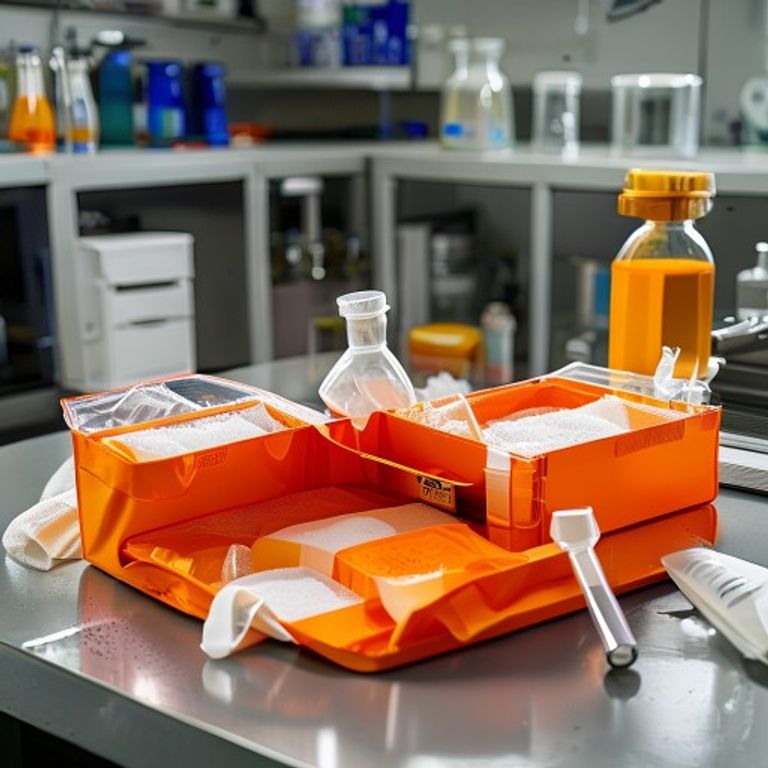
A spill kit is a pre‑assembled collection of tools and absorbents designed to contain, neutralize, and clean up hazardous material releases. It’s not a one‑size‑fits‑all; kits are tailored to the types of chemicals you handle, the size of your workspace, and the level of risk.
- Absorbent materials: pads, pillows, or granules that soak up liquids.
- Neutralizing agents: powders or solutions that render acids or bases harmless.
- Personal protective equipment (PPE): gloves, goggles, and sometimes disposable suits.
- Disposal bags: sealed bags for safely discarding contaminated material.
Key Components of a Hazardous Waste Spill Kit for Labs
While the basic idea stays the same, a hazardous‑waste specific kit often includes a few extra items:
- Acid‑neutralizing powder (e.g., sodium bicarbonate).
- Base‑neutralizing powder (e.g., calcium carbonate).
- Specialized absorbent socks for large‑area spills.
- Leak‑proof containers for temporary storage.
- Instruction sheet with emergency contact numbers.
How to Use a Spill Kit in a Lab
Here’s a simple, five‑step routine that works for most situations. Imagine you’re a chef who just dropped a pot of soup; you’d first turn off the heat, then contain the mess, and finally clean it up. The same logic applies to chemicals.
- Assess the situation: Identify the chemical, its volume, and its hazard class (flammable, corrosive, toxic).
- Put on PPE: Grab the gloves, goggles, and any protective clothing from the kit.
- Contain the spill: Use absorbent pads or socks to surround the spill, preventing it from spreading.
- Neutralize if needed: Sprinkle acid‑ or base‑neutralizing powder according to the chemical type.
- Clean up and dispose: Collect the saturated absorbent material, place it in a sealed disposal bag, and label it for hazardous waste removal.
Remember, speed matters but so does safety—never rush without proper PPE.
Chemical Spill Kit Requirements for Labs
Regulatory bodies such as OSHA and the EPA outline minimum requirements, but a practical checklist looks like this:
- Enough absorbent material to handle at least 10 % of the largest container in the lab.
- Separate neutralizers for acids and bases.
- PPE that matches the most hazardous chemicals you store.
- Clear labeling and easy‑to‑reach storage location.
- Regular inspection schedule (monthly is a good rule of thumb).
Best Lab Spill Kits for Universities
University labs often deal with a wide variety of chemicals, so flexibility is key. Here are three kits that consistently rank high among academic institutions:
- Universal Safety Spill Kit: Includes both acid and base neutralizers, plus a range of absorbent pads for liquids and solids.
- Compact Biohazard Kit: Designed for labs handling biological reagents; features absorbent materials that don’t react with enzymes.
- Heavy‑Duty Chemical Kit: Ideal for large‑scale chemistry departments; comes with oversized absorbent socks and extra‑large disposal bags.
If you’re curious about related safety gear, check out our guide on fire blankets in the lab. Both fire blankets and spill kits belong to the same emergency‑preparedness toolbox.
Where to Purchase Lab Chemical Spill Kits
Buying a spill kit can be as easy as ordering online, but consider these factors before you click “add to cart”:
- Reputable suppliers: Companies like Fisher Scientific, VWR, and local safety distributors.
- Customization options: Some vendors let you choose specific neutralizers or add extra PPE.
- Bulk discounts: Universities often qualify for educational pricing.
- After‑sale support: Look for vendors that offer training videos or on‑site demonstrations.
Don’t forget to verify that the kit complies with your institution’s safety protocol and local regulations.
Practical Tips for Maintaining Your Spill Kit
Even the best kit is useless if it’s expired or incomplete. Here’s a quick maintenance routine:
- Do a visual inspection weekly—check for torn absorbents or missing PPE.
- Rotate stock every six months to avoid expired neutralizers.
- Keep a logbook next to the kit; note date of inspection and any replenishments.
- Conduct a mock spill drill at least twice a year so everyone knows the steps.
Conclusion
Having a well‑stocked, properly maintained laboratory spill kit is not just a regulatory checkbox; it’s a cornerstone of lab safety culture. By understanding the kit’s contents, following a clear response procedure, and regularly checking inventory, we can keep accidents from spiraling out of control. So next time you see that bright orange box, remember it’s more than a container—it’s peace of mind for every experiment you run.
FAQ
Q: Can I use a regular household absorbent pad for chemical spills?
A: No. Household pads may react with hazardous chemicals, spreading the contamination or creating toxic fumes.
Q: How often should I replace the neutralizing powder?
A: Replace it at least once a year, or sooner if you notice clumping or moisture.
Q: Are spill kits required for small teaching labs?
A: Yes. Even a tiny spill of a corrosive acid can damage equipment and pose a safety risk, so a basic kit is mandatory.
Q: What’s the difference between a spill kit and a chemical waste disposal kit?
A: A spill kit focuses on immediate containment and cleanup, while a waste disposal kit provides tools for long‑term storage and transport of hazardous waste.
Q: Can I customize a spill kit for my lab’s specific chemicals?
A: Absolutely. Many suppliers allow you to add or remove neutralizers and absorbents based on the chemicals you handle.







