Measuring Cylinder Use: How to Read, Measure, and Avoid Common Mistakes

Introduction
When we step into a chemistry lab, the first piece of glassware we often reach for is the measuring cylinder. It looks simple—a tall, graduated tube—but using it correctly can be the difference between a spot‑on result and a frustrating error. In this article I’ll walk you through the proper technique for measuring liquids, show you how to read the meniscus like a pro, and share best practices that keep your volume measurements as accurate as possible.
How to Read a Measuring Cylinder
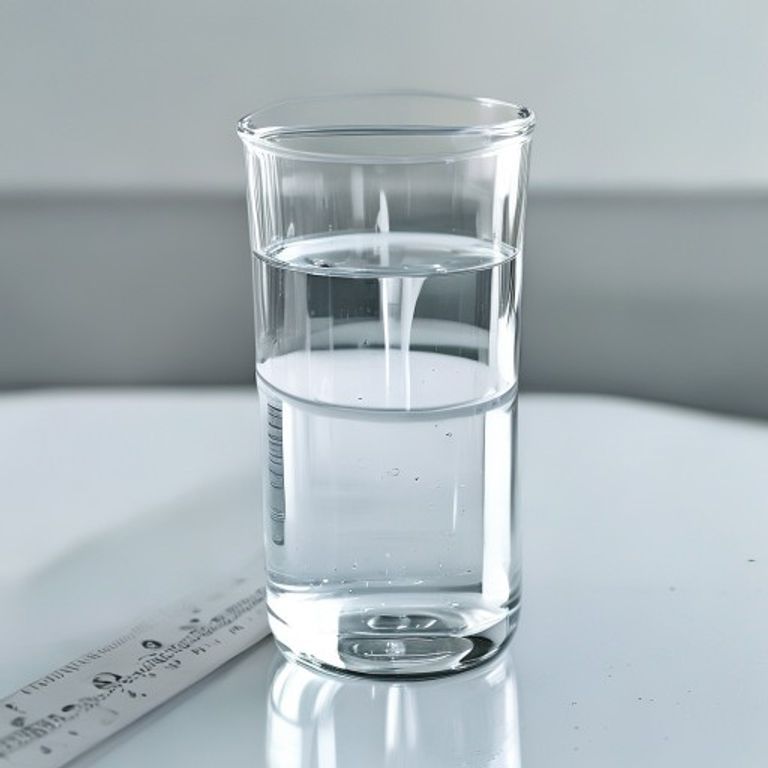
Reading a measuring cylinder may seem straightforward, yet many beginners make the same mistake: looking at the cylinder from above. To get a reliable reading you should:
- Position your eyes level with the meniscus (the curved surface of the liquid).
- Read the bottom of the meniscus for water‑based liquids and the top for mercury or other opaque fluids.
- Make sure the cylinder is on a flat, stable surface—no wobbling.
Think of it like reading a ruler: you don’t tilt your head and guess the number; you line up your eye straight on the mark. The same principle applies to the meniscus reading in a graduated cylinder.
Proper Technique for Measuring Liquids with a Cylinder
Here’s a step‑by‑step routine that I use every time I need an exact volume:
- Choose the right size. Use a cylinder that holds about 5‑10 × the volume you need. This gives finer graduations and better accuracy.
- Rinse the cylinder. If you’re measuring a new liquid, rinse the interior with a small amount of that liquid and discard it. This eliminates residual water that could skew the volume.
- Pour slowly. Use a funnel or a pipette to add liquid dropwise until you approach the target mark.
- Check the meniscus. As described above, read at eye level and note the exact graduation.
- Record the measurement. Write down the value immediately to avoid forgetting the exact reading.
If you want a deeper dive into the fundamentals of this glassware, check out what is a graduated cylinder for a solid foundation.
Best Practices for Using a Measuring Cylinder
Beyond the basic steps, these habits help you keep the cylinder in top shape and your data reliable:
- Handle with care. Glass is fragile; always hold the cylinder by the base or the neck, never by the middle.
- Clean after each use. Residues can cause cross‑contamination and affect future readings.
- Store upright. Place cylinders vertically in a rack to prevent the liquid from lingering on the walls.
- Calibrate occasionally. Compare the cylinder’s readings against a known volume (e.g., a calibrated volumetric flask) to verify its accuracy.
Accuracy of Measuring Cylinder Measurements
The accuracy you get from a measuring cylinder depends on three main factors:
- Graduation precision. A 100 mL cylinder typically has a tolerance of ±0.5 mL, while a 10 mL cylinder may be accurate to ±0.02 mL.
- Temperature. Liquids expand or contract with temperature changes. Most cylinders are calibrated at 20 °C (68 °F); if you work far from this, note the potential error.
- Human error. Misreading the meniscus or pouring too fast can introduce small but significant deviations.
For the highest volumetric accuracy, especially in quantitative analysis, you might consider using a mastering the volumetric flask, which offers tighter tolerances than a typical graduated cylinder.
Common Errors When Using a Measuring Cylinder
Even seasoned lab techs slip up. Here are the pitfalls I see most often and how to avoid them:
- Reading from the wrong angle. This creates parallax error. Always align your eye with the meniscus.
- Ignoring the meniscus type. Reading the top of a convex meniscus (water) will over‑estimate the volume.
- Over‑filling. Liquid that climbs above the graduation line can’t be measured accurately and may spill.
- Using the wrong cylinder size. A large cylinder for a tiny volume reduces precision because the graduations are spaced far apart.
- Not accounting for temperature. If you’re measuring hot or cold liquids, note that the volume can shift by a few percent.
Conclusion
Mastering the measuring cylinder is all about attention to detail—eye level, proper technique, and a few good habits. By following the steps and best practices outlined above, you’ll boost the accuracy of your volume measurements, reduce common errors, and feel more confident in any experiment that calls for precise liquid handling.
FAQ
Q: Can I use a measuring cylinder for viscous liquids like glycerol?
A: Yes, but pour slowly and allow the liquid to settle before reading the meniscus. Viscous fluids may cling to the walls, so a gentle tap can help the surface flatten.
Q: How often should I calibrate my measuring cylinder?
A: At least once a year, or whenever you notice inconsistent readings. Comparing against a calibrated volumetric flask is a quick way to check.
Q: Is it okay to read the volume from the top of the meniscus?
A: Only for liquids that form a convex meniscus (like mercury). For most aqueous solutions, read the bottom of the meniscus.
Q: What’s the difference between a graduated cylinder and a measuring cylinder?
A: They are essentially the same piece of laboratory glassware; “graduated cylinder” is the more formal term, while “measuring cylinder” is a common colloquial name.
Q: Can temperature affect my measurement?
A: Absolutely. Most cylinders are calibrated at 20 °C. If you work at a different temperature, consider applying a correction factor or using a temperature‑controlled environment.