Beyond the Beaker: Your Complete Guide to the Essential Erlenmeyer Flask

Introduction: The Unsung Hero of the Lab Bench
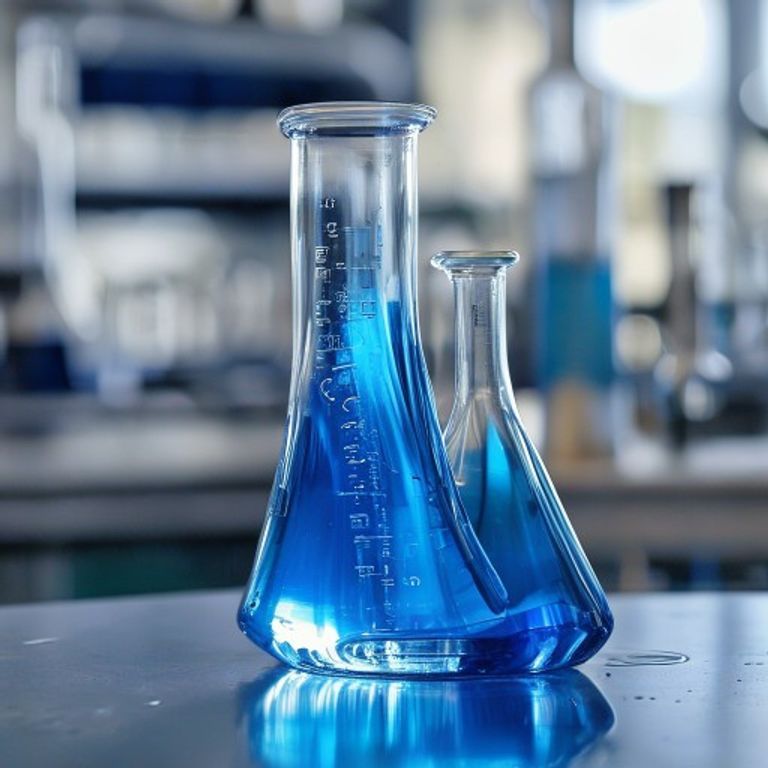
Walk into almost any chemistry lab, and you’ll quickly spot a distinct piece of laboratory glassware: a flat-bottomed flask with a conical body and a narrow cylindrical neck. That, my friends, is the venerable erlenmeyer flask. Often overshadowed by the more visually striking beakers or the precise volumetric flasks, the erlenmeyer flask is, in my opinion, a true workhorse, an indispensable tool for countless experiments.
Today, we’re going to pull back the curtain and give this humble piece of equipment the attention it deserves. We’ll explore its unique design, delve into its fascinating history, and most importantly, uncover what is an erlenmeyer flask used for in the lab. So, let’s dive in!
What Exactly is an Erlenmeyer Flask? A Chemistry Definition
Let’s start with the basics. The definition of erlenmeyer flask in chemistry describes it as a type of laboratory flask characterized by its signature flat bottom, a conical (cone-shaped) body, and a narrow, cylindrical neck. It’s also very commonly known as a conical flask, which frankly, makes a lot of sense given its shape!
Most erlenmeyer flasks are crafted from sturdy borosilicate glass, a material chosen specifically for its exceptional resistance to thermal shock (meaning it won’t easily crack when heated or cooled rapidly) and its chemical inertness. This makes it ideal for handling a wide range of substances and conditions, from gentle mixing to vigorous boiling.
A Glimpse into History: The Birth of the Conical Flask
Every great invention has a story, and the erlenmeyer flask is no exception. The history of the erlenmeyer flask invention takes us back to 1860, where it was designed by a brilliant German chemist named Richard August Carl Emil Erlenmeyer. Dr. Erlenmeyer, likely tired of spills during his experiments, conceived of this unique shape specifically for titration – a quantitative chemical analysis method.
His ingenious design quickly caught on. The narrow neck allowed for easy mixing and swirling without spillage, while also minimizing evaporation. It was a simple yet revolutionary improvement over the more open-mouthed beakers of the time, cementing its place as a staple in chemistry labs worldwide.
Why Do Labs Love It? The Purpose of Erlenmeyer Flask in Lab Settings
The versatility of the erlenmeyer flask is truly impressive. So, what is an erlenmeyer flask used for? Here are some of its primary applications, showcasing why it’s such a go-to piece of equipment:
Titration: This is its original calling! The conical shape and narrow neck are perfect for swirling a solution vigorously to ensure proper mixing during titration without any splashes or loss of reagents. It’s like having a built-in splash guard!
Mixing and Swirling Solutions: Beyond titration, any experiment requiring thorough mixing of liquids benefits from an erlenmeyer flask. The design allows for effective agitation with minimal effort and no mess. When precision is paramount, especially for quantitative analysis, understanding how to achieve volumetric flask accuracy for precision results is absolutely key. However, for general mixing, our conical friend is perfect.
Heating Liquids: The flask’s design helps reduce solvent loss through evaporation when heating. The smaller opening means less surface area for vapors to escape, which can be crucial for reactions where solvent concentration needs to be maintained.
Holding and Storing Samples: Its stability and the option to easily stopper the neck (with a cork or rubber stopper) make it suitable for temporarily holding or storing chemical solutions and samples, protecting them from contamination or excessive evaporation.
Preparing Culture Media: In microbiology, erlenmeyer flasks are frequently used to prepare and sterilize liquid culture media for growing microorganisms. Their shape allows for good aeration when swirled on a shaker.
Mastering Its Use: How to Properly Use an Erlenmeyer Flask
While seemingly straightforward, knowing how to properly use an erlenmeyer flask can optimize your experiments and ensure safety. Here are a few tips:
Swirling Technique: For effective mixing, hold the neck of the flask and gently move it in a circular motion. The conical sides ensure the liquid swirls around thoroughly, promoting good contact between reactants.
Heating Safely: If you’re heating liquids in an erlenmeyer flask, always use a wire gauze on a tripod stand or a specialized heating mantle. Never heat a closed flask, as pressure buildup can cause it to explode. For general mixing, sometimes the crucial stirring rod function really comes in handy, ensuring your solutions are perfectly homogenous.
Volume Markings: Be aware that while erlenmeyer flasks often have volume markings on their side, these are generally approximate. They are not designed for precise measurements. For accuracy, you’ll need a graduated cylinder or a volumetric flask.
Cleaning: Like all laboratory glassware, ensure your erlenmeyer flask is thoroughly cleaned before and after use to prevent cross-contamination.
Erlenmeyer Flask vs. Beaker: A Quick Showdown
We’ve talked a lot about the erlenmeyer flask, but how does it compare to its rounder cousin, the beaker? While both are fundamental pieces of laboratory glassware, they each excel in different areas:
Beaker: With its straight sides and wide mouth, a beaker is excellent for general holding, mixing, and transferring liquids, especially when pouring is a priority. Its open design makes it easy to add solids or stir with a stirring rod. However, its wide mouth means more evaporation and a higher risk of spills during vigorous agitation.
Erlenmeyer Flask: Our conical friend shines when preventing spills during vigorous swirling or reducing evaporation is critical. Its narrow neck is also better for securely stoppering the flask.
In short, if you need to pour easily or add large volumes of solids, grab a beaker. If you need to swirl, heat with minimal evaporation, or prevent splashes, the erlenmeyer flask is your champion.
Conclusion: The Enduring Legacy of the Conical Flask
The erlenmeyer flask might be a simple piece of equipment, but its impact on laboratory work is undeniable. From its origins in aiding titration to its widespread use in mixing, heating, and storing solutions, its unique design has made it an enduring symbol of scientific investigation. It’s a testament to how a well-thought-out design can solve practical problems and empower scientists to perform their work more efficiently and safely. So, the next time you see one, give a nod to Dr. Erlenmeyer and this unsung hero of the lab bench!
FAQ About the Erlenmeyer Flask
What is an erlenmeyer flask primarily used for?
Its primary purpose is for mixing and swirling liquids without spilling, especially during titration, and for heating solutions with reduced evaporation.
Can I use an erlenmeyer flask to accurately measure liquid volumes?
No, erlenmeyer flasks are not designed for precise volume measurements. Their markings are approximate. For accurate measurements, you should use a graduated cylinder or a volumetric flask.
Why is an erlenmeyer flask conical in shape?
The conical shape allows for vigorous swirling and mixing of liquids without spillage. The narrow neck also reduces evaporation and makes it easier to stopper.
What material is a typical erlenmeyer flask made from?
Most erlenmeyer flasks are made from borosilicate glass, which provides excellent resistance to thermal shock and chemical corrosion, making them safe for various lab procedures.
What is the difference between an erlenmeyer flask and a beaker?
An erlenmeyer flask has a conical body and a narrow neck, ideal for mixing without spills and reducing evaporation. A beaker has straight sides and a wide mouth, better for general holding, mixing, and pouring liquids.