Beyond the Basics: Unlocking the Many Uses of Erlenmeyer Flasks in Your Lab

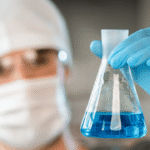
If you’ve ever stepped foot into a chemistry or biology laboratory, chances are you’ve seen an Erlenmeyer flask. This humble piece of laboratory glassware, also known as a conical flask, is truly one of the unsung heroes of scientific experimentation. Its distinctive cone shape, flat bottom, and narrow neck aren’t just for show; they’re features that make it incredibly versatile and indispensable for countless tasks. But have you ever stopped to think about all the amazing things we can achieve with this simple yet ingenious piece of laboratory equipment? Today, we’re diving deep into the many uses of Erlenmeyer flasks, exploring why it’s a must-have in any lab setting.
Why the Erlenmeyer Flask is a Laboratory Essential
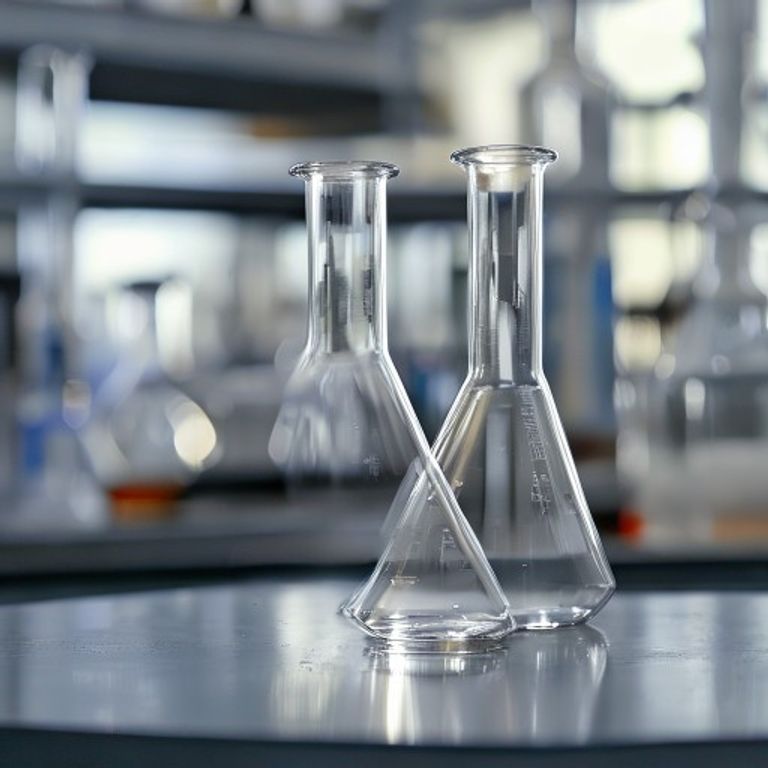
Let’s start by appreciating the design. Unlike a beaker, which has straight sides and a wide opening, an Erlenmeyer flask tapers up to a narrow neck. This isn’t an accident! This specific shape offers several key advantages that make it perfect for various applications:
- Reduced Evaporation: The narrow neck minimizes the surface area exposed to the air, significantly slowing down solvent evaporation compared to a wide-mouthed beaker. This is crucial when we’re trying to maintain the concentration of a solution.
- Excellent for Swirling and Mixing: The conical body allows for vigorous swirling without spilling the contents. Imagine trying to mix a solution in a beaker with the same energy; you’d have a mess on your hands in no time!
- Easy Handling and Capping: The narrow neck provides a convenient grip and is ideal for sealing with a stopper or a piece of parafilm, protecting the contents from contamination or further evaporation.
- Heating Capabilities: Erlenmeyer flasks are often made from borosilicate glass, making them resistant to thermal shock. This means we can safely heat solutions over a Bunsen burner or on a hot plate.
Preparing Solutions with Precision
One of the most common answers to “what are Erlenmeyer flasks used for in a lab?” is preparing solutions. When we need to dissolve a solid solute into a liquid solvent, the Erlenmeyer flask is our best friend. Its design allows for efficient mixing. We can add our solid, then the solvent, and then gently swirl the flask to ensure thorough dissolution. The conical shape ensures that all the solid comes into contact with the solvent, making the dissolution process quicker and more complete. Plus, if the dissolution process generates heat or requires gentle warming, the flask can handle it.
The Art of Titration: Erlenmeyer Flask vs. Beaker
This is where the Erlenmeyer flask truly shines! If you’ve ever performed a titration, you know how critical it is to mix the analyte and titrant thoroughly without losing any sample. The question of “Erlenmeyer flask vs beaker for titration” is easily answered: the Erlenmeyer flask wins hands down. The narrow neck minimizes splashing and evaporation, ensuring that every drop of titrant added reacts with the analyte. The wide base allows for effective swirling – a crucial step to ensure the reactants are fully mixed after each addition of titrant, especially when nearing the endpoint. Trying to do this with a beaker would be like trying to keep water in a colander – almost impossible without significant loss or splashing!
Mastering the Swirl: Proper Technique and Agitation
Swirling isn’t just a fancy move; it’s a vital part of many lab procedures. The proper technique for swirling an Erlenmeyer flask involves holding the neck firmly and moving your wrist in a gentle, circular motion. This creates a vortex within the liquid, ensuring even mixing without creating bubbles or splashing the contents up the sides and into the stopper. It’s an art form that chemists perfect over time, allowing for rapid and homogeneous mixing, whether it’s dissolving a solid, accelerating a reaction, or ensuring uniform temperature.
Beyond Mixing: Other Practical Applications
The uses of Erlenmeyer flasks extend far beyond simple mixing and titration. We often use them for:
- Heating Reactions: As mentioned, their heat-resistant glass makes them suitable for heating liquids. They can be placed on a hot plate or heated with a Bunsen burner, often with a wire gauze to spread the heat.
- Holding and Storing Samples: For short-term storage of solutions or reagents, especially when a stopper is needed to prevent contamination or evaporation.
- Collecting Filtrates: When performing filtration, Erlenmeyer flasks are excellent for collecting the filtered liquid (filtrate), especially when using a Buchner funnel and a vacuum setup.
- Culturing Microorganisms: In microbiology, sterile Erlenmeyer flasks are frequently used to grow bacterial or yeast cultures in liquid media, often placed on a shaker incubator to ensure aeration.
Keeping It Clean: How to Maintain Your Erlenmeyer Flask
Just like any piece of laboratory equipment, keeping our Erlenmeyer flasks clean is paramount for accurate results and safety. How to clean an Erlenmeyer flask after use usually involves rinsing immediately with tap water to remove gross contaminants, followed by scrubbing with a brush and laboratory detergent. For stubborn residues, a stronger cleaning solution (like an acid bath or specific glassware cleaning agents) might be necessary. Always finish with several rinses of distilled or deionized water to prevent contamination from tap water minerals. A clean flask is a happy flask, ready for its next important task!
Conclusion
From simple mixing to complex titrations and even microbiological cultures, the Erlenmeyer flask is a true workhorse in the laboratory. Its unique design offers practical advantages that make many experimental procedures easier, safer, and more precise. So, the next time you pick up this conical flask, I hope you’ll have a newfound appreciation for its versatility and the essential role it plays in our scientific endeavors. It truly is more than just a piece of glass; it’s a fundamental tool that helps unlock the mysteries of science every single day.
FAQ
What are Erlenmeyer flasks used for in a lab?
Erlenmeyer flasks are primarily used for preparing solutions, performing titrations, heating liquids, collecting filtrates, and culturing microorganisms. Their conical shape makes them ideal for swirling without spills and reducing evaporation.
Can I heat solutions in an Erlenmeyer flask?
Yes, most Erlenmeyer flasks are made from borosilicate glass, which is resistant to thermal shock. This allows them to be safely heated over a Bunsen burner (with a wire gauze) or on a hot plate.
How do I properly swirl an Erlenmeyer flask?
To properly swirl, hold the flask by its neck and gently move your wrist in a circular motion. This creates a vortex that efficiently mixes the contents without splashing, ensuring thorough and homogeneous mixing.
Is an Erlenmeyer flask better than a beaker for titration?
Absolutely! The narrow neck of an Erlenmeyer flask minimizes splashing and evaporation during titration, and its conical shape allows for vigorous swirling to ensure complete mixing of reactants, making it far superior to a beaker for this application.
How do I clean an Erlenmeyer flask effectively?
Start by rinsing immediately after use. Then, scrub with a brush and laboratory detergent. For tough residues, use a specialized cleaning solution. Always finish with multiple rinses of distilled or deionized water and allow it to air dry, usually inverted, to prevent contamination.