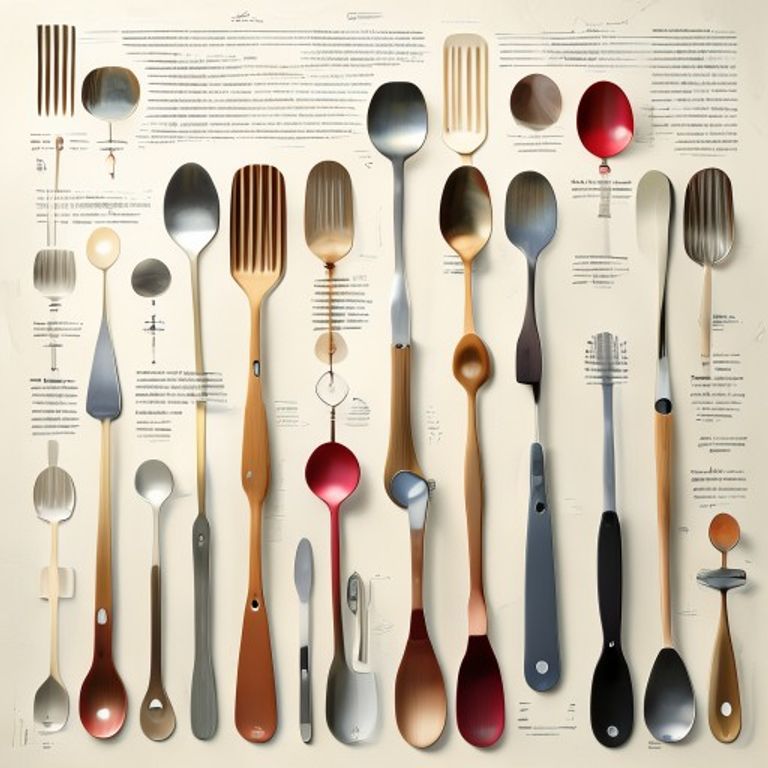
The Unsung Hero: Tracing the Fascinating Spatula History from Ancient Times to Modern Kitchens

Have you ever stopped to think about the humble spatula while flipping pancakes or scraping batter from a bowl? Most of us probably haven’t. Yet, this seemingly simple kitchen tool has a rich and surprisingly long history, playing a crucial role in culinary development for millennia. Today, we’re going on a little adventure to uncover the intriguing spatula history, exploring its ancient origins, remarkable evolution, and how it became the indispensable item it is in our kitchens today.
For me, it’s always fascinating to look at everyday objects and realize they have stories, just like people. The spatula is no exception. It’s a testament to human ingenuity, adapting and improving over centuries to meet our evolving cooking and baking needs. Let’s dig in!
The Ancient Roots: When Did Spatulas First Appear?
When were spatulas first invented? The truth is, there wasn’t a single “aha!” moment. Like many foundational tools, the origins of the kitchen spatula are rooted in humanity’s basic need to manipulate food. Picture early humans trying to stir stew, scrape food from a hot surface, or spread ingredients. They wouldn’t have called it a “spatula,” of course, but they certainly used flat, thin tools for similar purposes.
Archaeological evidence suggests that primitive versions of spatulas have existed for thousands of years. Early civilizations, such as the ancient Egyptians, Greeks, and Romans, utilized flat, paddle-like instruments made from wood, bone, or metal. These were likely used for everything from mixing ingredients in large pots to scraping surfaces clean, and even for medicinal or artistic purposes. For example, Roman kitchens, known for their elaborate feasts, would have certainly employed tools to move food around their cooking vessels. These ancient uses of spatulas really highlight their fundamental utility.
Think about it: before sophisticated metallurgy, wood was the go-to material. A simple flat piece of wood could easily serve as a basic “flipping instrument” or a stirrer. It’s a natural progression from using one’s hands to using a tool that offers more protection from heat and better leverage.
From Simple Tools to Specialized Designs: The Evolution of Spatulas
The journey from a rudimentary wooden paddle to the sleek, silicone spatulas we use today is a story of continuous innovation and adaptation. The evolution of spatulas over time largely mirrors the broader history of cooking tools like spatulas and general kitchen utensil history. As cooking techniques became more refined, so did the tools used to execute them.
During the Middle Ages and Renaissance, metal tools became more common, though wood remained a staple. Early metallic spatulas were often made of iron or brass, sturdy but heavy. They were essential for handling heavier ingredients or working over open flames. The design slowly started to diverge, with some tools becoming flatter for flipping and others more spoon-like for stirring and serving.
The 17th and 18th centuries saw an increase in specialized kitchen implements. With the rise of pastry making and more complex baking, the need for tools to spread, smooth, and fold became apparent. This period was crucial in the development of what we now recognize as baking tools. Just like a stirring rod is a humble hero in the lab for mixing solutions, spatulas became the humble heroes of the kitchen for expertly combining ingredients without deflating delicate mixtures.
The word “spatula” itself comes from the Latin word “spatha,” meaning a broad, flat tool or sword. This etymology itself points to the tool’s core characteristic: its flat, broad surface.
Materials and Innovation: A Spatula for Every Task
The 19th and 20th centuries brought about an explosion of materials and designs. The industrial revolution made mass production of kitchenware possible, introducing cheaper and more varied options. Stainless steel became a popular choice for its durability and hygiene.
But it was the advent of plastics and, more recently, silicone that truly revolutionized the spatula. Suddenly, we had flexible, heat-resistant spatulas that wouldn’t scratch non-stick pans. These modern materials allowed for ergonomic handles, vibrant colors, and specialized shapes for specific tasks. Think about the delicate work of folding egg whites or gently scraping every last bit of batter from a bowl – silicone spatulas are perfectly suited for these jobs, making them crucial “baking tool timeline” milestones.
Today, our kitchens boast an impressive array of spatulas: metal turners for grilling, offset spatulas for icing cakes, rubber spatulas for scraping, and slotted spatulas for frying. Each one is designed with a specific function in mind, making our culinary adventures smoother and more efficient. The continuous culinary tools development ensures that there’s always a “right” tool for the job.
Conclusion
From a basic paddle used by ancient civilizations to the high-tech silicone marvels in our modern kitchens, the spatula history is a fascinating journey. It reminds us that even the simplest tools have evolved significantly, silently supporting our progress in the kitchen. Next time you reach for your favorite spatula, take a moment to appreciate this unsung hero – a product of millennia of human ingenuity, always ready to help us cook, flip, and scrape our way to delicious meals.
FAQs About Spatulas
-
Q: What was the earliest material used for spatulas?
A: The earliest spatulas were typically made from natural materials like wood, bone, or sturdy plant fibers. These were readily available and could be shaped into flat tools for stirring, scraping, and moving food.
-
Q: How did the “spatula” get its name?
A: The word “spatula” comes from the Latin term “spatha,” which referred to a broad, flat tool or even a broad sword. This highlights the defining characteristic of a spatula: its flat and wide blade.
-
Q: What’s the main difference between an ancient spatula and a modern one?
A: While the basic function of moving or scraping food remains the same, modern spatulas benefit from advanced materials like stainless steel, heat-resistant plastics, and silicone, offering greater durability, flexibility, hygiene, and specialized designs for various cooking and baking tasks that weren’t possible with ancient materials.