

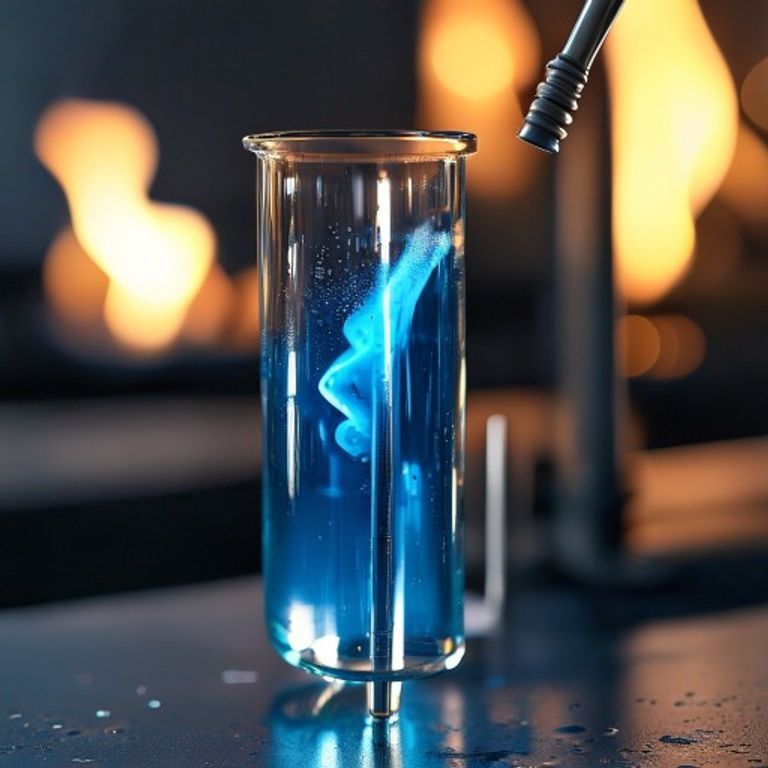
The Essential Role of Test Tubes: Functions, Uses, and Tips for Every Lab

Introduction
When we step into a chemistry lab, the first thing that catches our eye is the array of glassware lining the benches. Among them, the humble test tube might seem like just a small cylinder of glass, but its functions go far beyond holding a few drops of liquid. In this article, I’ll walk you through the primary purpose of test tubes in chemistry, explore specific uses in scientific experiments, and show how they assist chemical reactions. By the end, you’ll see why this tiny vessel is a powerhouse in any research setting.
What Is a Test Tube Actually Used For?
At its core, a test tube is a sample holding and reaction vessel. Its design—narrow neck, sturdy base, and transparent walls—makes it perfect for:
- Collecting small amounts of liquids or solids for observation.
- Conducting quick reactions that don’t require large volumes.
- Heating substances over a Bunsen burner or a hot plate.
- Storing specimens for short‑term analysis.
Think of a test tube as the “coffee mug” of the lab: just the right size for a single serving, easy to handle, and designed to keep the contents contained.
Primary Purpose of Test Tubes in Chemistry
The main job of a test tube is to provide a safe, controllable environment for small‑scale reactions. Because the glass is heat‑resistant, we can:
- Mix reagents and observe color changes or precipitate formation.
- Perform qualitative analysis, such as flame tests.
- Carry out titrations when only a few milliliters are needed.
Unlike beakers, which are great for bulk work, test tubes let us focus on precision without wasting chemicals. If you’re curious about how test tubes compare to other glassware, check out what is a beaker and why its size matters.
Specific Uses in Science Experiments
1. Sample Collection and Storage
Researchers often collect blood, soil, or water samples in test tubes because the narrow neck reduces evaporation. After collection, the tube can be sealed with a rubber stopper, keeping the sample stable for later analysis.
2. Heating and Evaporation
When we need to evaporate a solvent, a test tube’s slender shape speeds up the process. Placing the tube over a flame (with proper safety gear) allows rapid heating while the glass remains intact.
3. Microscopic Reactions
Some reactions produce gases or precipitates that are best observed in a confined space. The clear walls let us watch bubbles rise or crystals form in real time.
4. Mixing with a Stirring Rod
Even though the tube is small, thorough mixing is still crucial. A practical uses of a stirring rod include gently swirling reagents to ensure uniform distribution without splashing.
How Test Tubes Assist Chemical Reactions
Here’s why test tubes make reactions smoother:
- Temperature Control: The thin glass walls allow rapid heat transfer, so the reaction reaches the desired temperature quickly.
- Safety: The small volume limits the amount of hazardous material, reducing risk if something goes wrong.
- Observation: Transparent sides let us monitor progress without opening the vessel.
- Portability: A test tube can be moved easily for further analysis, such as placing it in a centrifuge or a spectrophotometer.
Best Practices for Using Test Tubes
To get the most out of your test tubes, follow these simple tips:
- Always label the tube with the sample name, date, and concentration.
- Use rubber stoppers or caps that fit snugly to prevent leaks.
- When heating, rotate the tube continuously to avoid uneven heating.
- Never expose the tube to a sudden temperature shock—gradual heating prevents breakage.
- Dispose of broken glass safely and replace damaged tubes immediately.
Conclusion
Even though it’s small, the test tube is a versatile workhorse in any laboratory. From holding tiny samples to facilitating rapid reactions, its design meets the practical needs of scientists worldwide. By understanding its functions and applying best practices, we can maximize safety, efficiency, and accuracy in our experiments.
FAQ
Q: Can I use a test tube for large‑scale reactions?
A: It’s not recommended. Test tubes are meant for small volumes; larger reactions are better suited to beakers or flasks.
Q: What type of glass are test tubes made from?
A: Most are made from borosilicate glass, which resists thermal shock and chemical corrosion.
Q: How do I clean a test tube after use?
A: Rinse with distilled water, then use a brush and appropriate solvent if residues remain. Dry by inverted air‑drying or with a lint‑free cloth.
Q: Are plastic test tubes an option?
A: Yes, for non‑heat applications. However, they can interact with certain solvents, so choose the material wisely.
Q: Can I store biological samples in glass test tubes?
A: Absolutely, as long as you use sterile techniques and appropriate sealing caps.