What Is a Beaker? Definition, Types, Choosing the Right Size, and Care Tips for Every Lab

Introduction
When we step into a chemistry lab, the first thing we usually spot on the bench is a simple, cylindrical glass container – the beaker. Despite its humble look, a beaker is one of the most versatile pieces of laboratory glassware. In this article, I’ll explain exactly what a beaker is, walk you through the different types and their purposes, show you how to pick the right size, compare it with flasks, and share practical tips for cleaning and maintaining your beakers so they last longer.
What Is a Beaker Used for in Chemistry?
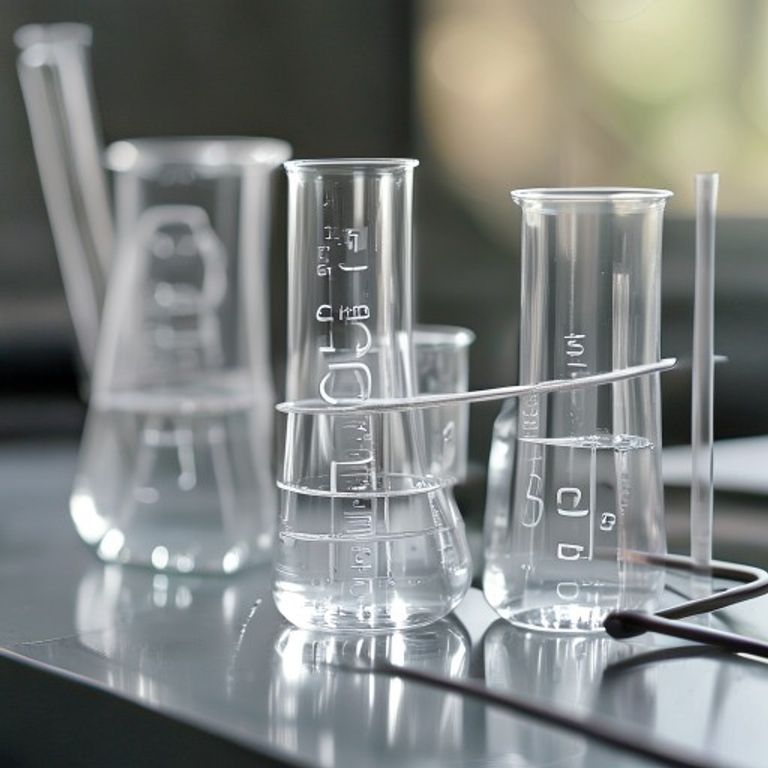
A beaker is essentially a wide‑mouth container with a flat bottom, used for mixing, heating, and holding liquids. Think of it as the “cooking pot” of the lab – you can pour reagents in, stir with a stirring rod, and apply heat directly or via a wire gauze without worrying about breakage.
- Mixing: Combine solutions, dissolve solids, or perform simple reactions.
- Heating: Place on a Bunsen burner or hot plate (usually with a wire gauze underneath).
- Measuring: Rough volume estimation using graduated markings.
- Observing: Clear glass lets you watch color changes or precipitate formation.
Types of Beakers and Their Purposes
Not all beakers are created equal. Here are the most common varieties you’ll encounter:
- Standard (Non‑Graduated) Beakers: Plain glass, used when precise volume isn’t critical.
- Graduated Beakers: Have volume markings (usually in mL) on the side. Great for quick, approximate measurements.
- Heat‑Resistant (Borosilicate) Beakers: Made from Pyrex or similar glass that can withstand sudden temperature changes.
- Plastic Beakers: Made of polyethylene or polypropylene; ideal for storing corrosive chemicals that would attack glass.
How to Choose the Right Beaker Size
Picking the right size is a bit like choosing the right shoe – too small and you’ll spill, too big and you waste space. Follow these simple steps:
- Estimate the maximum volume you’ll need. Choose a beaker that holds at least 1.5 to 2 times that amount.
- Consider the reaction type. If you’ll be heating, go for a larger diameter to spread heat evenly.
- Check the capacity markings. For quick measurements, a graduated beaker with clear markings is handy.
Beaker vs. Flask: When to Use Which?
Both beakers and flasks are staples, but they serve different purposes:
| Feature | Beaker | Flask |
|---|---|---|
| Shape | Wide mouth, straight sides | Narrow neck, rounded body |
| Mixing | Easy with a stirring rod | Requires swirling or a stopper |
| Heating | Directly on a burner (with gauze) | Often heated in a water bath |
| Volumetric Accuracy | Low to moderate | Higher (especially Erlenmeyer) |
Use a beaker when you need easy access to the contents, and switch to a flask when you want to minimize evaporation or need better mixing without splashing.
Cleaning and Maintenance of Laboratory Beakers
Proper care extends the life of your beakers and prevents cross‑contamination. Here’s a quick routine:
- Rinse immediately after use with distilled water to remove residues.
- Use a brush with mild detergent for stubborn stains. Avoid abrasive pads that can scratch the glass.
- Heat‑resistant beakers can be autoclaved for sterilization; plastic beakers should be checked for temperature limits.
- Inspect for cracks before each use. Even tiny hairline cracks can cause breakage under heat.
- Store upright on a rack to prevent dust accumulation and accidental knocks.
Frequently Asked Questions (FAQ)
What is the typical capacity range for standard beakers?
Standard beakers usually range from 25 mL to 2 L. The most common sizes are 100 mL, 250 mL, 500 mL, and 1000 mL.
Can I use a beaker for precise volume measurements?
Graduated beakers give a rough estimate (±5 %). For high precision, use a volumetric flask or a graduated cylinder.
Is it safe to heat a beaker directly on a Bunsen burner?
Only if the beaker is made of borosilicate glass and you place a wire gauze underneath to distribute heat evenly.
How do I remove stubborn chemical stains?
Soak the beaker in a dilute acid (e.g., 5 % nitric acid) for a few minutes, then scrub with a brush and rinse thoroughly.
Do plastic beakers work for all chemicals?
Plastic beakers are great for many acids and bases, but they can be attacked by strong oxidizers or organic solvents. Always check chemical compatibility.
Conclusion
Understanding the definition and proper use of beakers empowers us to work more efficiently and safely in the lab. By selecting the right type, size, and material, and by maintaining them with simple cleaning habits, we keep our experiments running smoothly. So next time you reach for that trusty glass cylinder, you’ll know exactly why it’s essential and how to get the most out of it.