


Why Wire Gauze Is a Must‑Have in Every Chemistry Lab

Introduction
When I set up a simple heating experiment, the first thing I reach for isn’t a fancy hot plate – it’s a piece of wire gauze. This humble metal mesh may look like a kitchen strainer, but in the lab it plays a crucial role in safety and accuracy. In this article I’ll walk you through the purpose of wire gauze, how it protects glassware, and why you should never heat a flask directly over a Bunsen burner.
What Exactly Is Wire Gauze?
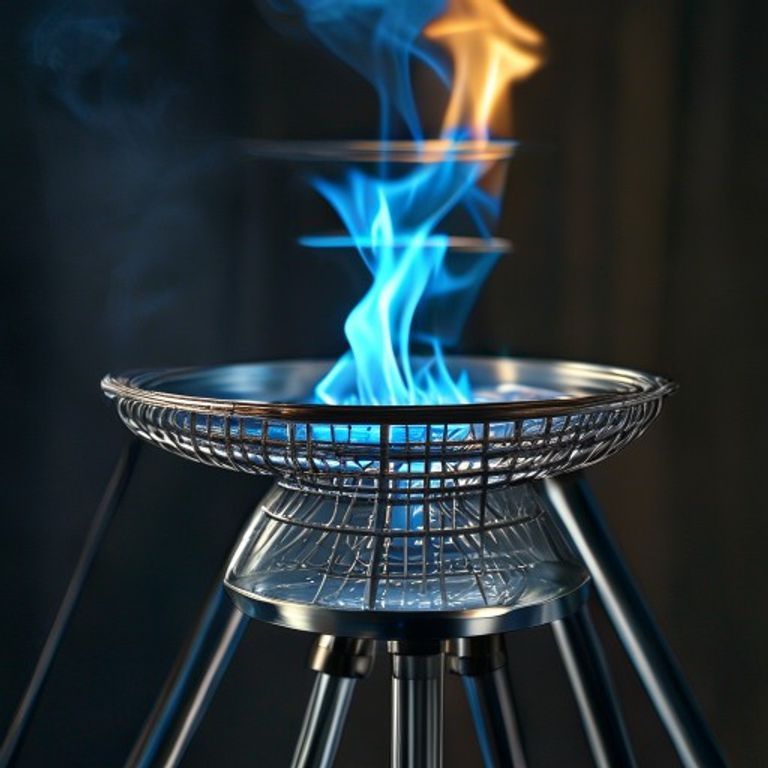
Wire gauze is a thin sheet of woven metal, usually stainless steel or nickel‑chrome alloy, with a pattern of small square openings. It’s often mounted on a ceramic or metal support ring that fits snugly on a tripod or a ring stand. Think of it as a “heat diffusion plate” that spreads the flame’s energy more evenly.
How Wire Gauze Protects Glassware From Direct Flame
Glassware such as beakers, Erlenmeyer flasks, and test tubes can shatter if exposed to a concentrated flame. Wire gauze acts like a buffer:
- Heat diffusion: The mesh spreads the heat over a larger area, reducing hot spots.
- Flame barrier: Direct contact between the flame and the glass is prevented, lowering thermal stress.
- Physical support: The gauze provides a stable platform, so the glass doesn’t tip over.
Benefits of Using Wire Gauze for Heat Distribution
Even heating is not just about safety – it also improves experimental results. Here’s why:
- Consistent reaction rates: Uniform temperature ensures that all parts of the solution react at the same speed.
- Better reproducibility: When you repeat an experiment, the same heat profile means you get comparable data.
- Energy efficiency: Less heat is lost to the surroundings because the mesh channels more energy into the liquid.
Wire Gauze in Everyday Chemistry Experiments
Let’s look at a few common scenarios where wire gauze shines:
1. Simple Distillation
During distillation, the boiling flask is placed on wire gauze to avoid “thermal shock” that could crack the glass. The gauze also helps the vapor rise evenly, making the condenser’s job easier.
2. Heating Reagents in a Beaker
If you need to dissolve a solid in water, placing the beaker on gauze ensures the solution heats gradually, preventing sudden boiling and splattering.
3. Preparing Solutions on a Hot Plate
Even when using a hot plate, a piece of wire gauze can be added to spread the heat, especially for large or thin-walled containers.
For other essential lab tools, check out the stirring rod guide – it’s a great companion when you need to mix solutions while heating.
Why Use Wire Gauze Under Bunsen Burners?
The Bunsen burner delivers a focused, high‑temperature flame. Placing wire gauze directly under the flame offers three key advantages:
- Flame protection grid: The mesh catches any stray sparks, reducing fire hazards.
- Even heat spread: The flame’s intensity is moderated, which is especially important for delicate glassware.
- Stability: The gauze sits on a tripod, giving you a steady surface that won’t wobble as you work.
Practical Tips for Using Wire Gauze Effectively
- Always place the gauze on a tripod or ring stand before adding glassware.
- Check the mesh for dents or rust – a damaged gauze can create uneven heating.
- For high‑temperature work, consider a double‑layer gauze (two sheets stacked) for extra diffusion.
- When heating very volatile liquids, use a watch glass on top of the gauze to catch any splashes.
If you’re curious about other lab accessories, the lab spatulas article explains how the right spatula can make sample handling safer and cleaner.
Conclusion
Wire gauze may seem like a simple piece of metal mesh, but its purpose in the laboratory is anything but trivial. By diffusing heat, protecting glassware, and providing a stable platform, it helps us conduct experiments safely and reliably. Next time you light a Bunsen burner, remember that the little grid under the flame is doing a big job – and give it the respect it deserves.
FAQ
What is the purpose of wire gauze in a laboratory?
The primary purpose is to diffuse heat and protect glassware from direct flame, ensuring even temperature distribution and preventing thermal shock.
Can I use any metal mesh as a substitute for wire gauze?
Not really. Laboratory wire gauze is specifically designed to withstand high temperatures and resist corrosion. Using a regular kitchen mesh could melt or introduce contaminants.
Is double‑layer wire gauze better for high‑temperature work?
Yes, stacking two sheets provides extra diffusion and reduces the risk of hot spots, making it ideal for very hot or prolonged heating.
Do I need to clean wire gauze after each use?
Wipe it with a dry cloth to remove spills. If there’s residue, a mild detergent followed by thorough rinsing and drying will keep it in good condition.
Why should I avoid heating glassware directly over a Bunsen burner?
Direct flame creates localized high temperatures that can cause glass to crack or shatter. Wire gauze spreads the heat, protecting the integrity of the glass.







