Understanding the Marketing Funnel: From Lead Generation to Customer Conversion

Introduction
When we talk about growing a business, the term marketing funnel pops up a lot. Think of it as a guided slide that takes a random stranger and gradually turns them into a loyal customer. In this article, I’ll walk you through what a marketing funnel is used for, how it works step by step, and why every modern business should have one built into its strategy.
What Is a Marketing Funnel and Why It Matters
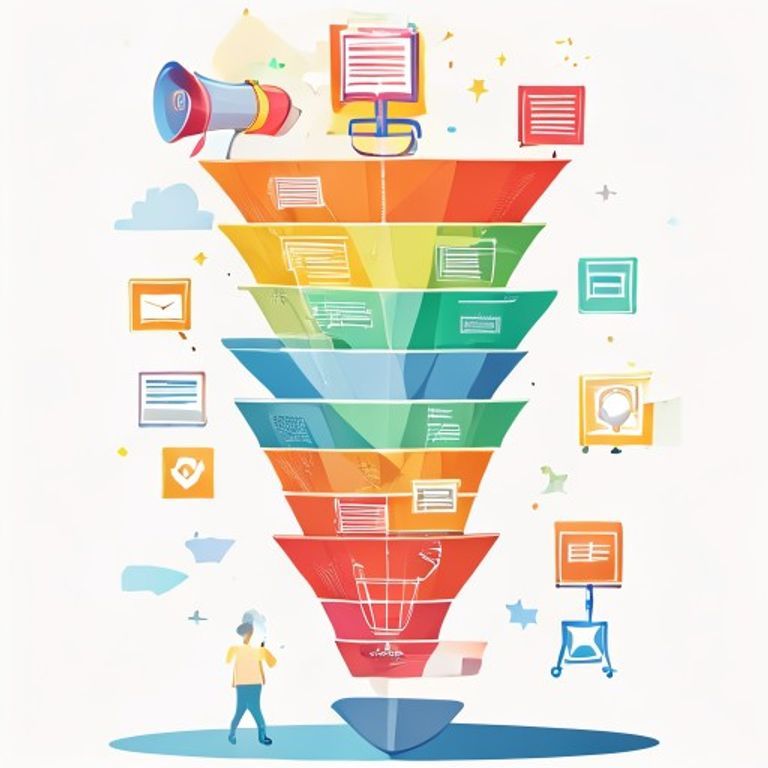
A marketing funnel is essentially a visual representation of the customer journey—from the moment someone first hears about your brand to the point they make a purchase (or even become an advocate). The funnel shape illustrates that you start with a wide audience at the top and end with a much smaller, highly qualified group at the bottom.
Why does this matter?
- It helps you map out each touchpoint where prospects can be nurtured.
- It reveals where you lose potential customers, so you can improve conversion rates.
- It aligns your lead generation and sales pipeline efforts under one coherent framework.
Step‑by‑Step Walkthrough of a Sales Funnel
Let’s break down the funnel into four classic stages and see how each works in practice.
- Awareness: Prospects discover you through SEO, social media, ads, or word‑of‑mouth. The goal is to cast a wide net.
- Interest: They engage with your content—reading blog posts, watching videos, or downloading a free guide. Here, you start to qualify them as leads.
- Decision: The prospect evaluates solutions. Case studies, webinars, and product demos become crucial.
- Action: The final purchase or sign‑up. Post‑purchase follow‑up turns them into repeat buyers.
Imagine a separation funnel in a lab. Just like the device separates liquids based on density, a sales funnel separates prospects based on their readiness to buy, letting you focus resources where they matter most.
Purpose of a Customer Acquisition Funnel
The customer acquisition funnel is a specialized version that zeroes in on turning leads into paying customers. Its purpose is to:
- Identify high‑quality leads early.
- Deliver personalized content that nudges them toward a decision.
- Measure the cost of acquiring each new customer, helping you optimize ad spend.
Benefits of Using a Marketing Funnel for Leads
Here are the practical perks you’ll notice once you implement a funnel:
- Higher conversion rates – Targeted nurturing moves prospects smoothly through each stage.
- Better ROI on marketing spend – You know exactly which channels deliver the best qualified leads.
- Scalable automation – Marketing automation tools can trigger emails, retarget ads, and score leads without manual effort.
- Clear performance metrics – Funnel metrics (e.g., click‑through rate, lead‑to‑opportunity ratio) give you a snapshot of what’s working.
Digital Marketing Funnel in Action
In the digital age, the funnel extends beyond the website. Here’s a quick blueprint you can start using today:
- Top of Funnel (ToF): Run Facebook and Google ads that link to a high‑value blog post or video.
- Middle of Funnel (MoF): Offer a downloadable ebook in exchange for an email address. Use marketing automation to send a drip series that educates and builds trust.
- Bottom of Funnel (BoF): Invite prospects to a live demo or free trial. Use a personalized landing page with a clear call‑to‑action.
When each stage is connected, you create a seamless flow that guides strangers into becoming brand advocates.
Conclusion
In short, a marketing funnel is more than a diagram—it’s a strategic roadmap that aligns your content, automation, and sales efforts. By understanding each stage, measuring performance, and continuously optimizing, you turn vague traffic into measurable revenue. So the next time you plan a campaign, start by sketching your funnel first; the results will speak for themselves.
FAQ
Q: What is a marketing funnel used for in business?
A: It’s used to visualize and manage the customer journey, improve lead qualification, and boost conversion rates.
Q: How does a sales funnel work step by step?
A: It moves prospects through Awareness, Interest, Decision, and Action stages, each requiring specific content and tactics.
Q: What is the purpose of a customer acquisition funnel?
A: To systematically convert qualified leads into paying customers while tracking acquisition cost.
Q: What are the benefits of using a marketing funnel for leads?
A: Higher conversion rates, better ROI, automation, and clear performance metrics.
Q: How can I explain the use of a digital marketing funnel?
A: By showing how online ads, gated content, email nurturing, and personalized offers work together to guide prospects from awareness to purchase.